
Monsoon skin is rarely one thing. Your back may feel sticky after the commute while your shins turn dry under office AC, and a damp kurta can rub the same patch all afternoon.
The routine needs placement more than extra products: cleanse off sweat, get wet fabric away from skin, keep folds dry, and moisturise only the areas asking for it.
Humidity changes where moisture sits
High humidity slows sweat evaporation. When sweat stays in folds or under close clothing, heat and skin-to-skin rubbing can lead to prickly heat, chafing or intertrigo. The inner thighs, underarms, under-breast area, groin and spaces between toes deserve particular attention.
At the same time, frequent showers, strong cleansers and hours of air conditioning can leave exposed areas dry. A single thick head-to-toe layer does not solve both problems. Keep damp areas clean and dry, then moisturise the rough or tight areas separately.
Reset after a wet commute or sweaty afternoon
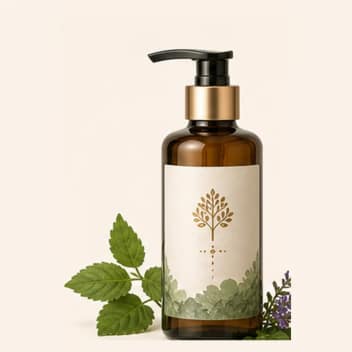
Change out of rain-soaked or sweaty clothes promptly. If a full shower is possible, keep it short and use warm-to-cool water. Patchouli Shower Gel can be used on underarms, feet and other areas where sweat or city grime remains, provided the aromatic formula feels comfortable on your skin.
Pat the body dry and spend an extra moment between toes and in skin folds. Put on clean, loose, breathable clothing. Wet shoes and socks should dry fully before the next wear; adding perfume over damp skin does not replace washing and drying.
Use moisturiser by zone
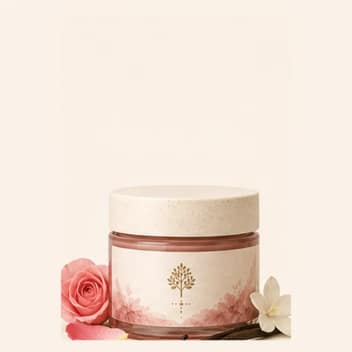
On arms, legs and the trunk, apply a light amount of Nalpamaradi Lotion while skin is slightly damp. If AC leaves elbows, knees or shins rough, press a small amount of Rose & Vanilla Body Butter onto those areas at night rather than coating the whole body.
Keep heavy butter away from an actively sweaty or irritated fold unless a clinician has given different instructions. For friction on intact skin, breathable clothes and reducing dampness come first. A simple barrier product may help chafing, but a painful or infected-looking rash needs proper assessment.
Exfoliation is optional during the rainy season
If your skin is comfortable and you already use a body scrub, keep it occasional and focus on rough areas such as elbows or knees. Use light circles, rinse well and moisturise afterward. Skip it when sweat, shaving or fabric friction has already left the skin sore.
Do not scrub prickly heat, chafing, broken skin, a ring-shaped rash or itchy folds. Exfoliation cannot clear a fungal or bacterial infection. It may spread irritation and make the area harder to assess.
Know when a monsoon rash needs a clinician
Mild heat rash often improves when skin stays cool and dry, but the label monsoon rash covers several different conditions. Do not guess at antifungal, antibiotic or steroid creams from appearance alone, especially on the face, groin or broken skin.
Seek medical advice if a rash is spreading, painful, oozing, foul-smelling, blistered or not improving after a few days of cool, dry care. People with diabetes, reduced immunity or repeated skin-fold infections should get advice earlier.
FAQ
Should I moisturise my body during monsoon?
Yes, where skin feels dry or tight. Use a light layer on arms and legs, and reserve rich butter for rough patches. Avoid trapping a heavy layer in sweaty folds.
How often should I shower in humid weather?
Shower after heavy sweating or getting soaked, but keep showers short and the cleanser gentle. Repeated hot, heavily lathered showers can dry the skin.
Can I scrub prickly heat?
No. Keep the area cool and dry and avoid perfumed shower gels or scrubs. Get advice if the rash does not improve after a few days or if you are unsure what it is.
What helps thigh chafing in monsoon?
Dry the area, change damp clothes, choose breathable fabric and reduce rubbing. Use a simple anti-chafing barrier only on intact skin; painful or broken areas need individual advice.
Is every itchy monsoon rash fungal?
No. Heat rash, friction, contact reactions, eczema and infections can look similar. Avoid self-diagnosing a spreading or persistent rash and speak with a clinician.
Sources and further reading
Published July 2026. Reviewed 10 July 2026. This guide covers cosmetic care, not diagnosis or treatment. Speak with a qualified clinician when symptoms are severe, persistent or getting worse. About VEETREE · Editorial Policy.