
The swim ends, everyone queues for the shower, and the wet costume stays on for the drive home. That small delay is often when comfortable skin starts feeling papery or itchy.
You do not need a complicated chlorine detox. Fresh water, a restrained wash, dry clothes and prompt moisturiser cover the useful basics after a pool or sea swim.
The swim-day timeline
- Before the pool Take the one-minute pre-swim shower recommended by the CDC. Use water-resistant sunscreen outdoors.
- As soon as you finish Rinse with fresh warm water. Use mild cleanser only where sunscreen, sweat or residue remains.
- Before leaving Pat dry, change out of the wet costume and apply moisturiser before the skin starts feeling tight.
- Later that day Skip scrubs on itchy skin. If a rash spreads, blisters, oozes or becomes painful, get medical advice.
Before the swim, remove what the pool does not need
The CDC recommends showering for at least one minute before entering a pool. This removes much of the sweat, dirt and body product that can react with disinfectants and use up the chlorine needed for germ control.
If you swim outdoors, use a broad-spectrum, water-resistant sunscreen and follow its reapplication directions. People with eczema or very dry skin may be advised to use a bland moisturiser or petroleum jelly before swimming, but an active, oozing or infected flare is a reason to stay out and seek individual advice.
Rinse promptly, then decide whether cleanser is needed
Use fresh warm water as soon as you leave the pool. Rinse the hairline, neck, underarms, swimsuit edges, feet and skin folds carefully. Change out of the wet costume instead of letting damp fabric rub on the same areas for another hour.
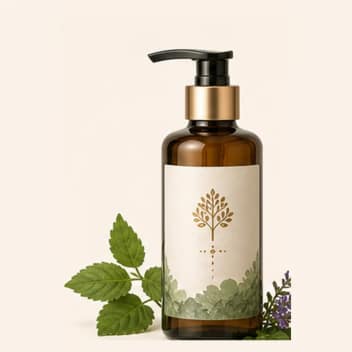
If water alone leaves sunscreen, sweat or a strong pool smell, use a small amount of a mild wash. Patchouli Shower Gel is VEETREE's aromatic body-wash option; keep it to intact skin and stop if it stings. A second aggressive lather is unlikely to make skin cleaner and may add dryness.
Moisturise damp skin, but dry the folds
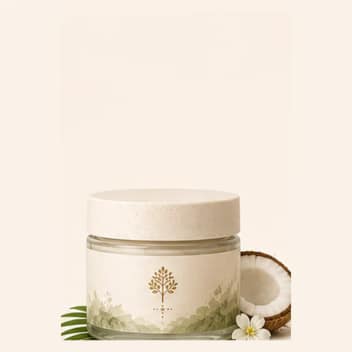
Pat the arms, legs and trunk until they are slightly damp, then apply moisturiser within a few minutes. A thin layer of lotion may be enough in humid weather. Tender Coconut Body Butter can be kept for shins, elbows and other patches that still feel tight.
Under the breasts, between toes and in other skin folds, the priority is different: dry them thoroughly and put on clean, breathable clothing. Rich butter trapped in a warm, damp fold can feel uncomfortable and increase friction.
Pool water, sea water and sun ask for slightly different care
Pool disinfectants can dry or irritate some skin, while chloramines can bother eyes, skin and airways. Sea water leaves salt, and the beach adds sand. Both call for a fresh-water rinse; neither calls for a harsh scrub immediately afterward.
After an outdoor swim, reapply sunscreen if you will stay outside. If skin is sunburned, avoid body scrub, shaving, fragrant oils and hot water until it settles. Cool compresses and a simple moisturiser are kinder than trying to polish away peeling skin.
Know the symptoms that need more than after-swim care
Leave the water and tell pool staff if several swimmers develop eye, skin or breathing irritation. Seek urgent help for wheezing, trouble breathing, facial swelling or a severe reaction. Those symptoms are outside the scope of body care.
Get medical advice for a rash that spreads, oozes, forms blisters, becomes hot or painful, or does not improve. Protect open wounds with appropriate waterproof coverage or stay out of the water, following public-health guidance and your clinician's advice.
FAQ
Should I shower immediately after swimming?
Yes, rinse with fresh warm water as soon as practical. Change out of the wet swimsuit and moisturise dry areas while the skin is still slightly damp.
Do I need a special chlorine-removal body wash?
Usually no. A thorough fresh-water rinse and a mild cleanser where residue remains are enough for most people. Avoid repeated harsh washing.
Can I use body scrub after swimming?
Skip it if skin feels tight, itchy, sunburned or irritated. Use a scrub on a different day, only on comfortable intact skin.
What should I apply for dry skin after a pool?
Use a fragrance-free lotion or cream on damp skin. Add a richer body butter only to dry patches if your skin tolerates aromatic products.
Why does my skin itch after swimming?
Dryness, pool chemicals, a reaction to body products, friction from wet fabric or a separate rash can all play a part. Persistent, severe or spreading itch needs medical assessment.
Sources and further reading
Browse all products for Dryness.
Published July 2026. Reviewed 10 July 2026. This guide covers cosmetic care, not diagnosis or treatment. Speak with a qualified clinician when symptoms are severe, persistent or getting worse. About VEETREE · Editorial Policy.