
The bar looks simple. The bottle looks moisturising. Neither impression tells you whether your shins will feel tight ten minutes after the shower.
For dry body skin, the useful comparison is traditional soap versus a mild cleanser, not bar versus liquid. Here is how to read that difference and make the rest of the shower less drying.
Traditional soap or a mild syndet cleanser?
| Question | Traditional soap | Mild syndet cleanser |
|---|---|---|
| What it is | A saponified cleanser that is usually alkaline. | A cleanser made with synthetic surfactants; it may be a bar or a liquid. |
| How dry skin may feel | Some formulas leave dry skin tight or itchy after rinsing. | A mild formula can clean without the same tight, squeaky finish. |
| What to check | Fragrance, strong lather and how the skin feels ten minutes later. | The full ingredient list and your own response; liquid does not automatically mean gentle. |
The formula matters more than the shape
Traditional soap is made through saponification and is usually alkaline. That higher pH, together with strong cleansing, can remove more surface oil than dry skin can comfortably spare. The result may be a tight, rough or itchy feeling after rinsing.
Many shower gels and cleansing bars use synthetic detergents, often called syndets, which can be formulated closer to the skin's natural acidic range. Some are mild; some are strongly fragranced or heavily foaming. A liquid wash can still irritate, and a well-formulated syndet bar can still suit dry skin.
How to choose without guessing from the lather
Look for a cleanser described as gentle, moisturising or suitable for dry skin, then read the complete ingredient list. A short ingredient list is not automatically safer. If fragrance often bothers you, a fragrance-free formula is a more useful clue than words such as natural, herbal or pure.
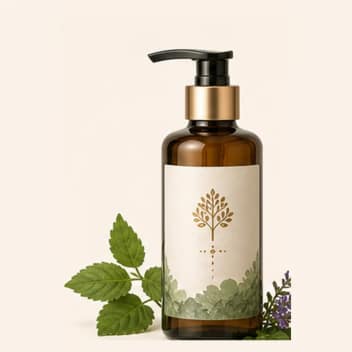
VEETREE Patchouli Shower Gel is the liquid cleanser in this body-care routine and has an aromatic finish. Use a small amount and judge it by the after-feel. If your skin stings, reddens or feels progressively tighter, stop using it rather than trying to compensate with a thicker layer of butter.
A dry-skin shower needs less cleanser, not more foam
Keep the shower to about five to ten minutes and use warm water. Hot water and long showers make it easier to lose surface oils. Apply cleanser with your hands to the areas that collect sweat, sunscreen or visible dirt; dry arms and legs do not always need a thick head-to-toe lather.
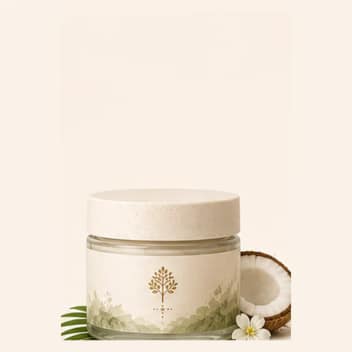
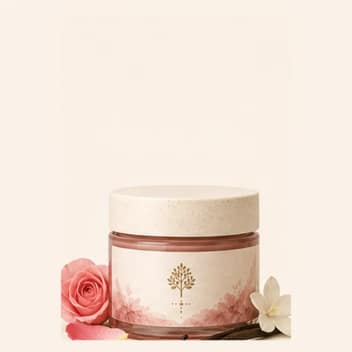
Rinse thoroughly, then pat rather than scrub with the towel. Leave a trace of water on the skin and apply moisturiser within a few minutes. Tender Coconut Body Butter or Rose & Vanilla Body Butter can be reserved for dry shins, elbows and other areas that need a richer finish.
When a bar can still be the better choice
A bar may be practical for travel, easier to use up completely and packaged with less plastic. If it is a mild syndet or moisturising cleansing bar and your skin stays comfortable, there is no reason to replace it simply because it is solid.
The useful test happens after the shower. Watch for tightness, white or ashy flaking, persistent itch and the urge to moisturise immediately because the skin feels stripped. If none of those happens and the bar rinses cleanly, it may suit you better than a perfumed shower gel.
Know when dryness is more than a cleanser problem
Pause scrubs, fragranced washes and very hot showers if skin is cracked, raw or inflamed. Use a bland cleanser only where necessary and a fragrance-free moisturiser. Do not apply a new cosmetic over open or weeping skin.
Dryness that is painful, bleeding, widespread, waking you with itch or not improving after a couple of weeks deserves medical advice. Eczema, psoriasis, contact dermatitis and other conditions can resemble ordinary dry skin, and changing from a bar to a bottle will not diagnose them.
FAQ
Is shower gel always better than soap for dry skin?
No. A mild liquid wash often feels comfortable, but a gentle syndet bar can work just as well. The cleansing system, fragrance and your after-shower comfort matter more than the format.
How can I tell if my body cleanser is too harsh?
Tightness, stinging, itch, new flaking or a squeaky feeling after every shower are useful clues. Reduce the amount and frequency first; stop if irritation continues.
Do I need to wash my whole body with cleanser every day?
Usually not. Clean the areas with sweat, odour, sunscreen or visible dirt, and let water rinse the drier areas unless they need more.
Should dry skin use hot or cold water?
Warm water is the practical choice. Very hot water can worsen dryness, while cold water is not required for effective cleansing.
What should I apply after a shower for dry skin?
Apply a lotion, cream or body butter while skin is still slightly damp. Pick the lightest texture you will use consistently, then add a richer butter only on stubborn dry areas.
Sources and further reading
Browse all products for Dryness.
Published July 2026. Reviewed 10 July 2026. This guide covers cosmetic care, not diagnosis or treatment. Speak with a qualified clinician when symptoms are severe, persistent or getting worse. About VEETREE · Editorial Policy.