
Shop by concern
Flaky, Itchy Scalp Routine
Use a tea tree scalp mist, pre-wash gel, gentle shampoo and rosemary mist to loosen visible flakes and refresh an itchy-feeling scalp.
Start here
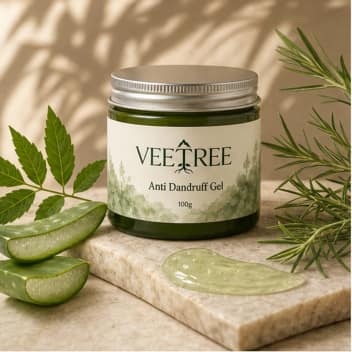
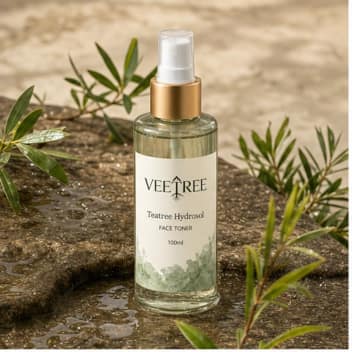
A flaky, itchy scalp may be dry, irritated, carrying product buildup or affected by dandruff, and those causes do not all need the same response. A cosmetic routine can rinse away buildup, help loosen visible flakes and support a fresher, more comfortable scalp. Start with Teatree Hydrosol between washes, Anti Dandruff Gel before shampoo and Seed Petal Shampoo on wash day. Massage with soft fingertips and keep the routine light while the scalp settles.
A practical starting routine
How to use these products
Part the hair so light scalp products reach the skin instead of coating only the lengths.
Daily or as needed
- Spray Teatree Hydrosol along scalp partings and let it absorb without rinsing.
- Use Rosemary Hydrosol as the alternate water-light mist when you prefer its scent.
Wash day
- Massage a thin layer of Anti Dandruff Gel over a dry scalp for 20 to 30 minutes before washing.
- Rinse, then clean the scalp with Seed Petal Shampoo and rinse thoroughly.
Expect the hydrosols to dry without an oily layer and the gel to give a cooling pre-wash feel. This routine can loosen light visible flakes and soothe an itchy-feeling scalp. Persistent dandruff, thick scale, sores, spreading redness or hair loss needs a doctor or dermatologist.


Frequently asked questions
How can I tell dry scalp from dandruff?
A dry scalp may feel tight and shed smaller dry flakes, while dandruff often brings recurring flakes with oiliness or itch. The signs can overlap, and persistent or severe flaking is worth a professional assessment.
How is tea tree used in this scalp routine?
Teatree Hydrosol is sprayed along clean scalp partings and left in. Anti Dandruff Gel contains tea tree essential oil and is rinsed out before shampoo. Both carry a fresh herbal scent and slot around your normal wash days.
Should I oil a flaky scalp?
Oil is not required for this routine. Some dry scalps tolerate brief pre-wash oiling, while an oily or dandruff-prone scalp may feel itchier under a heavy layer. Start with the water-light mists, gel and shampoo instead of adding oil automatically.
When should a flaky scalp be checked by a doctor?
Get advice when flakes keep returning, form thick scale, spread beyond the hairline or come with pain, sores, marked redness or hair loss. A clinician can distinguish dandruff from other scalp conditions and recommend appropriate treatment.
Guides for this concern
- Dry scalp vs dandruff: the flakes are only one clue
Compare dry scalp and dandruff by flake, oil and irritation patterns, try a cautious scalp routine, and learn which warning signs need medical care.
- How often to wash your hair without following a rigid rule
Find a hair-wash schedule for oily, dry, straight, curly or coily hair, then adjust it for sweat, product buildup, scalp comfort and dry ends.
- An oily scalp and dry ends need two different jobs
Build an oily-scalp, dry-ends routine that cleans the roots without scrubbing the lengths, places conditioner correctly and limits heat and buildup.
- Scalp buildup: recognise the film before scrubbing harder
Learn the signs of scalp buildup, how it differs from dandruff, and how to reset oil, dry shampoo and styling residue without harsh scraping.
- An itchy scalp after oiling is a stop signal
Learn why scalp oil can trigger itching, how to calm a mild product reaction, when to stop oiling, and which rash or infection signs need medical care.
- Sweaty scalp after a workout: rinse, wash or simply dry?
Use a quick post-workout scalp routine for light or heavy sweat, decide when to rinse or shampoo, and avoid replacing every wash with dry shampoo.
This page is about cosmetic care, not diagnosis or treatment. Please see a dermatologist or doctor for symptoms that are severe, persistent or getting worse. About VEETREE · Editorial Policy.