
White specks on a dark T-shirt invite a quick dandruff diagnosis. Yet a dehydrated or product-irritated scalp can shed fine flakes too, and treating every flake with a strong shampoo may leave that scalp more uncomfortable.
Look at the skin between the hairs, how oily it feels and what else is happening around the hairline. A modest two-week reset can clarify mild cases. Angry or persistent scalps deserve a proper look.
Dry scalp usually feels dry beyond the flakes
A dry scalp has lost water or protective oil. The flakes are often fine, light and powdery; the skin may feel tight after washing. Cold weather, hot water, frequent use of a harsh cleanser and a reaction to fragrance or another hair product can all contribute. Dry skin elsewhere on the face or body is another clue, though it is not a test.
Itching can occur, but scratching creates its own redness and flakes. If symptoms started soon after a new dye, oil, leave-in or shampoo, stop that product and return to a simple fragrance-free routine. A patch test can reduce risk with future cosmetics, but a home patch test cannot diagnose an allergy.
Dandruff often sits on an oilier, inflamed scalp
Dandruff is a mild form within the seborrheic dermatitis spectrum. Flakes may be larger, white to yellowish and slightly greasy, while the scalp can look pink or red and feel itchy. It may improve and return rather than disappearing after one careful wash. Oil alone is not the full cause; skin yeast, sebum and an individual inflammatory response all play a part.
Greasy scale around the eyebrows, sides of the nose or behind the ears can accompany seborrheic dermatitis. That distribution is more suggestive than a single flake. Thick, sharply edged plaques or scale extending well past the hairline may point to another condition, such as psoriasis, and should not be self-labelled as stubborn dandruff.
Try one cautious change at a time
For a tight, dry-feeling scalp, use lukewarm water, a mild shampoo and your fingertips rather than nails. Clean the scalp without repeatedly scrubbing the lengths, then condition the hair away from the roots if it becomes limp easily. Stop new fragranced products for two weeks so you can see whether irritation settles.
For a persistently oily, flaky pattern, an over-the-counter dandruff shampoo may help. Common medicines differ by country and include ketoconazole, selenium sulfide, zinc pyrithione, salicylic acid or coal tar. Choose one suitable option with a pharmacist or clinician, follow its contact time and frequency exactly, and keep it mainly on the scalp. Layering several active shampoos at once makes irritation harder to interpret.
Oiling is not a universal flake treatment
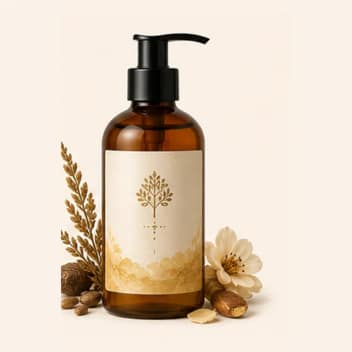
A small amount of a tolerated emollient may soften genuinely dry skin before washing, but a heavily oiled scalp can feel worse when the underlying problem is oily seborrheic dermatitis. It also glues flakes to the hair, which can create the impression that the condition has suddenly increased. Stop if oiling brings more itch, bumps or redness.
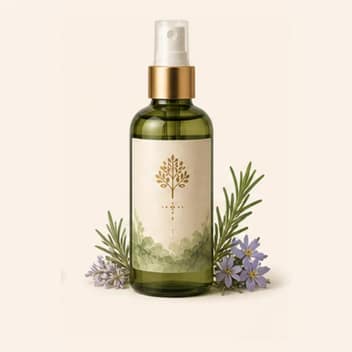
Cooling gels, hydrosols and cosmetic scalp products can change comfort or feel. They do not treat a fungal infection, psoriasis or eczema, and the words "anti dandruff" on a cosmetic name are not a medical diagnosis. Patch test a new formula and discontinue it if burning or swelling develops.
Some flaky scalps should skip the home experiment
Scalp ringworm can cause scale with broken hairs or round patches of hair loss and is contagious. It needs prescription treatment rather than a cosmetic oil. Arrange medical care for patchy loss, painful swelling, pus, crust, bleeding, a spreading rash or fever. Avoid sharing combs, towels or headwear while an infection is being assessed.
See a dermatologist if several weeks of correctly used dandruff shampoo do not help, if symptoms keep returning quickly, or if the skin extends beyond the scalp. Bring the product bottles you have used. Ingredient lists and timing often reveal more than the colour of the flakes.
FAQ
Is dandruff caused by a dry scalp?
Not usually. Both conditions flake, but dandruff commonly occurs with oil and inflammation linked to seborrheic dermatitis. Dry scalp reflects moisture loss or irritation and often feels tight.
Can I put hair oil on dandruff?
Heavy oiling is not a reliable dandruff treatment and can make an oily, scaly scalp feel worse. If you use any pre-wash oil for dry hair, keep it brief, stop if itching increases and do not replace medicated care.
How often should I wash a flaky scalp?
Base ordinary washing on oil, sweat and hair texture. If using a medicated dandruff shampoo, follow its label or your clinician rather than applying it at every wash by default.
Is dandruff contagious?
Dandruff and seborrheic dermatitis are not contagious. Scalp ringworm can also flake and is contagious, so round bald patches, broken hairs or a spreading rash need medical assessment.
When is a flaky scalp more than dandruff?
Get checked for thick plaques, scale beyond the hairline, pain, pus, bleeding, patchy hair loss, swollen areas or symptoms that persist despite correctly used treatment. Several skin conditions resemble dandruff.
Sources and further reading
Browse all products for Flaky Scalp.
Published July 2026. Reviewed 10 July 2026. This guide covers cosmetic care, not diagnosis or treatment. Speak with a qualified clinician when symptoms are severe, persistent or getting worse. About VEETREE · Editorial Policy.