
A fresh shave already asks a lot of the skin. Adding a gritty scrub at the wrong moment is how a smooth-leg plan turns into a night of stinging.
Timing depends on how reactive your skin is, but the order is simple: scrub before the razor if you combine them at all. A separate exfoliation day gives sensitive skin more breathing room.
The short answer: before, and gently
A mild pre-shave scrub can lift loose surface flakes and help the razor move over a more even surface. It does not need pressure. Massage on damp skin with fingertips for about 30 seconds, rinse fully, then use proper shaving cream or gel before the blade touches skin.
Scrubbing after shaving puts friction and a potentially fragranced product onto skin that may have tiny nicks and an irritated surface. Even a scrub that normally feels comfortable can burn. Post-shave care should be plain: cool-to-warm rinse, gentle pat dry and moisturiser.
A same-shower sequence for skin that tolerates exfoliation
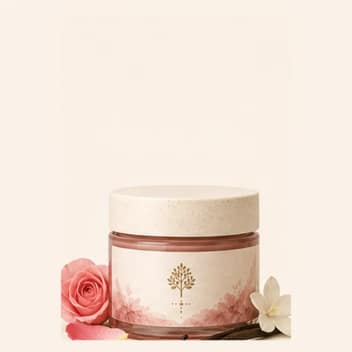
Start with a few minutes of warm water so the hair and skin soften. Cleanse lightly, use a small amount of Body & Face Scrub on the area, and rinse every grain away. Apply shaving gel, then shave in the direction the hair grows with light, short strokes.
Rinse the blade after each stroke and replace it when it tugs. The American Academy of Dermatology suggests changing a disposable blade after about five to seven shaves. Store the razor somewhere dry rather than leaving it on a wet shower ledge.
When the separate-day method makes more sense
Choose the day-before approach if your skin is dry, sensitive, prone to dark marks after irritation or already develops razor bumps. Exfoliate gently, moisturise, and leave shaving until the next day. This makes it easier to tell whether the scrub itself causes redness.
You do not need to scrub before every shave. How often to exfoliate depends on skin type and scrub texture; more abrasive products belong in the routine less often. If the skin stays smooth and comfortable without a scrub, shaving cream and good blade technique are enough.
What belongs on freshly shaved skin
Use a simple moisturiser on slightly damp skin. Rose & Vanilla Body Butter is a rich option for dry legs, though any aromatic product should be avoided if freshly shaved skin stings when it is applied. A lighter, fragrance-free lotion may suit reactive skin better.
Wait before applying a body scrub, strong acid exfoliant, perfume or heavily fragranced body product. Freshly shaved underarms and the bikini line are particularly easy to irritate. Products labelled for general body use should not be taken onto genital skin.
Pause when bumps are sore, spreading or infected-looking
Do not scrub over open cuts, sunburn, active rash, painful ingrown hairs or pus-filled bumps. Scrubbing harder will not release a deeply trapped hair and can add more inflammation or leave a darker mark as the skin heals.
Seek advice if redness spreads, the area feels hot, pain is increasing, bumps contain pus or repeated ingrown hairs are leaving scars. A dermatologist can distinguish simple razor irritation from folliculitis, contact dermatitis and other conditions that need different care.
FAQ
Should I use body scrub before or after shaving my legs?
Before, if your skin tolerates it. Use a light touch and rinse fully before applying shaving gel. Do not scrub freshly shaved legs.
How long before shaving should I exfoliate?
Sensitive or bump-prone skin may do better when exfoliation and shaving happen on separate days. Less reactive skin may tolerate a very gentle scrub before shaving in the same shower.
Does scrubbing prevent every ingrown hair?
No. Gentle exfoliation may reduce loose surface buildup, but hair texture, shaving direction, blade pressure and close shaving also affect ingrown hairs.
Can I use shower gel instead of shaving gel?
A shower gel cleans but may not give the cushion and slip of a shaving product. Use a dedicated shaving cream or gel, especially on dry or sensitive skin.
What should I do if body scrub burns after shaving?
Rinse it off with cool-to-warm water, stop other fragranced or exfoliating products, and use a bland moisturiser. Get medical advice if burning is severe, blistering or does not settle.
Sources and further reading
Published July 2026. Reviewed 10 July 2026. This guide covers cosmetic care, not diagnosis or treatment. Speak with a qualified clinician when symptoms are severe, persistent or getting worse. About VEETREE · Editorial Policy.