
You apply balm at breakfast, again at your desk, and once more before bed. By morning the same corner has split. At that point, buying a richer flavour rarely solves the actual problem.
Recurring chapping is often a loop between exposure, habit and product choice. A short, deliberately boring reset can reveal whether the lips simply need protection or whether something else deserves a closer look.
Start with weather, sun and the room you spend all day in
Cold wind is an obvious trigger, but hot weather, sun and long hours in air conditioning can be just as drying. Lips have less of the oily protective film found on many other parts of the skin, so exposed moisture escapes quickly and the surface starts to feel tight or flaky.
Use a non-irritating balm whenever the coating has worn away, and choose a broad-spectrum SPF 30 or higher lip product outdoors. Water supports normal hydration, but drinking extra glasses will not by itself repair a lip surface that is being licked, sun-exposed or irritated all day.
Licking and picking keep restarting the damage
Licking feels helpful for a few seconds. As saliva evaporates, the lips feel drier, so the tongue returns. Saliva on the surrounding skin can also produce a sore, red ring. Keep balm within reach and apply that when you notice the urge instead.
Peeling off a flake exposes tender skin beneath it and can create a split that bleeds. Skip toothbrush exfoliation and lip scrubs while chapping is active. Let loose skin detach on its own, using a protective balm to reduce catching and friction.
Your favourite lip product may be part of the loop
Burning, tingling or cooling is not proof that a balm is working. Menthol, camphor, mint, cinnamon, citrus flavouring and fragrance can bother already chapped lips. Lipstick, gloss, sunscreen, toothpaste and even a familiar balm can also cause irritant or allergic contact cheilitis.
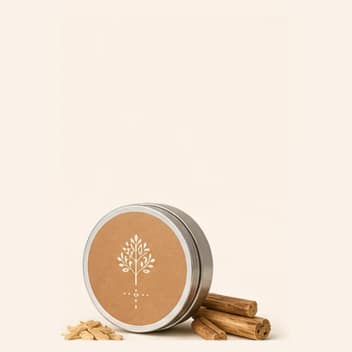
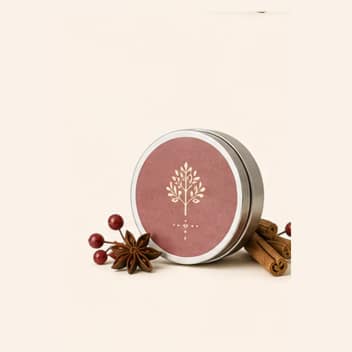
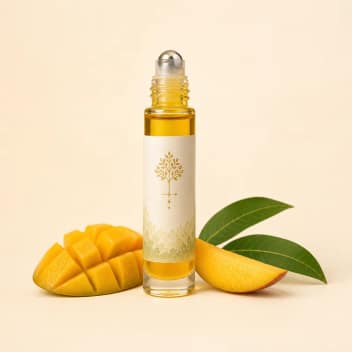
Sandalwood Lip Balm and Fruit & Spice Lip Balm are aromatic formulas, while Mango Lip Oil is an oil format. They belong in the related range, but a flare is the wrong time to test them. Use a bland fragrance-free balm until the lips are comfortable, then add one product at a time and stop any product that brings the rash back.
Run a two-to-three-week lip reset
Put the scrubs, plumpers, flavoured balms and long-wear lipstick aside. Use one non-irritating balm or plain ointment several times a day and before bed. Reapply after eating, drinking and toothbrushing, and use the SPF version when outside.
Notice patterns rather than changing products every morning. Does the dryness sit at the corners, follow a particular toothpaste, worsen after lipstick or appear mainly on waking? Mouth breathing, medicines and skin conditions can contribute, but those possibilities need a clinician or pharmacist to assess rather than an online self-diagnosis.
Know when ordinary chapping is no longer the best explanation
Book an assessment if simple care has not brought clear improvement within two to three weeks. A persistent scaly patch on one lip, repeated cracks at the corners, frequent bleeding or a rash spreading beyond the lip line can have causes that balm alone cannot settle.
Get prompt help if the lips are hot, very painful or markedly swollen, or if there is pus, heavy crusting, fever, trouble swallowing or trouble breathing. Fluid-filled blisters, a new medicine reaction and sudden facial swelling also sit outside a cosmetic lip routine.
FAQ
Why are my lips still chapped even though I use balm?
The balm may wear off quickly, contain an irritant, or be competing with licking, sun, dry air or another trigger. Try one bland fragrance-free product consistently for two to three weeks.
Can lip balm make chapped lips worse?
Yes, if an ingredient irritates or triggers a contact reaction. Burning, tingling, itch, swelling or a rash around the border are reasons to stop that product.
Should I scrub peeling lips?
No. Scrubbing active chapping can expose tender skin and restart bleeding. Protect the surface with a bland balm and let flakes loosen without pulling them.
Does licking dry lips help?
Only for a moment. Saliva evaporates and can leave the lips and surrounding skin drier and more irritated, which keeps the lick-dry cycle going.
When should I see a doctor about chapped lips?
Seek care if there is no clear improvement after two to three weeks, or sooner for marked swelling, pain, heat, pus, fever, breathing trouble or a persistent one-sided scaly patch.
Sources and further reading
Published July 2026. Reviewed 10 July 2026. This guide covers cosmetic care, not diagnosis or treatment. Speak with a qualified clinician when symptoms are severe, persistent or getting worse. About VEETREE · Editorial Policy.