
Dark lips care starts by separating natural colour from surface dryness. Lips can look duller when they are flaky, irritated or repeatedly licked. Smoothing loose flakes and keeping the surface coated can make them look fresher while respecting natural variation in lip tone.
Keep the routine small. Use a comfortable balm through the day, protect lips from sun and weather, and reserve scrubbing for intact lips with loose flakes. The right result is less tightness, fewer rough edges and an even surface for lipstick - not a different natural lip tone.
Why lips can look darker or duller
Lips have a thin exposed surface and no practical way to hide from wind, air-conditioning, food, saliva and repeated wiping. When that surface becomes dry, small scales catch light unevenly. The lips may then look grey, patchy or less fresh even though the underlying colour has not changed.
Licking is a common loop. Saliva briefly wets the lips, then evaporation leaves them feeling drier. Biting or pulling at a flake creates a sore edge that invites more touching. A balm interrupts that loop by leaving a layer between the lip surface and the air.
Sun exposure, smoking, irritation from a product, some medicines and natural genetics can also affect how lips look. Care can reduce dryness and prevent avoidable irritation. It cannot diagnose the cause of a new colour change. A persistent scaly patch, bleeding area, swelling or sore that does not settle should be checked rather than repeatedly scrubbed.
A simple morning and daytime routine
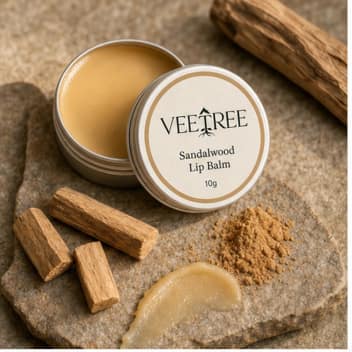
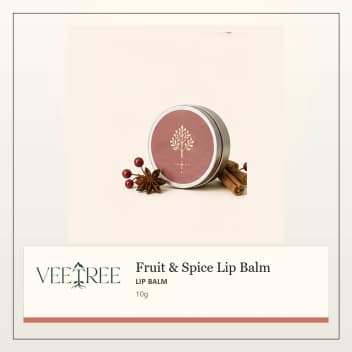
Start on clean, dry lips. Apply a thin layer of VEETREE Sandalwood Lip Balm or Fruit & Spice Lip Balm. Both are wax-and-butter balms. Their job is to reduce friction and help dry lips feel softer while the layer remains.
Reapply after eating, drinking or wiping your mouth, and whenever tightness returns. One thick application in the morning cannot survive every cup of tea. Small, regular applications are more useful than waiting until the lips split.
Neither VEETREE balm is labelled with sun protection. Before going outdoors, use a separate broad-spectrum lip balm with SPF 30 or higher and follow its reapplication directions. The American Academy of Dermatology recommends sun protection for lips as part of chapped-lip care. Do not treat an ordinary moisturising balm as sunscreen when its label does not say so.
If Sandalwood Lip Balm or the clove-scented Fruit & Spice Lip Balm burns, tingles or makes lips feel hotter, remove it and stop. Aroma is part of these formulas, but discomfort is not evidence that a lip product is working.
The night routine
At night, gently remove lipstick and food residue without rubbing. Apply a slightly thicker layer of balm if lips feel tight. This is often enough; an overnight routine does not need three different products.
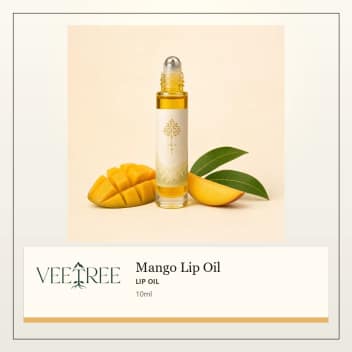
Choose VEETREE Mango Lip Oil when you prefer a glossy, mobile oil layer. The label lists mango butter, almond, rosehip, flaxseed and olive oils, vitamin E and saffron. Apply it to clean, dry lips and reapply when the coating wears away. It adds shine and slip while the layer is present.
For very dry lips, try balm alone first. A wax-and-butter layer generally stays put longer than a free-moving oil. If you enjoy both textures and already tolerate them, use a small amount of oil and then balm, but stop adding layers when the surface feels comfortable. More shine does not mean more repair.
Lip balm vs lip oil
A balm is the practical choice when the main problem is tightness. Waxes and butters leave a more stationary layer, so balm works well before bed, under lipstick or during an air-conditioned day. Sandalwood Lip Balm has a woody aroma; Fruit & Spice Lip Balm has a warm clove note. Choose by scent tolerance and the finish you prefer.
A lip oil has more glide and visible shine. Mango Lip Oil is useful when you want gloss and surface comfort in the same step. It will move and wear away faster with food and drink, so it may need more frequent application.
You do not need both. Choose balm for a more protective feel and oil for shine and slip. The lip balm versus lip oil guide goes deeper into how each texture behaves and when layering them is worth the extra step.
When a lip scrub helps - and when to skip it
A scrub can lift loose surface flakes so balm or lipstick sits more evenly. Think of it as occasional surface grooming, followed by balm, rather than the centre of the routine.
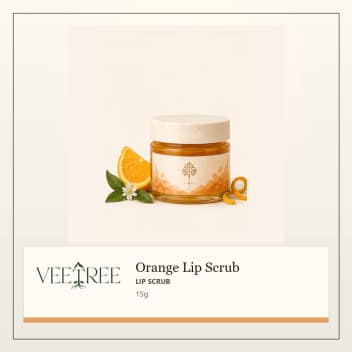
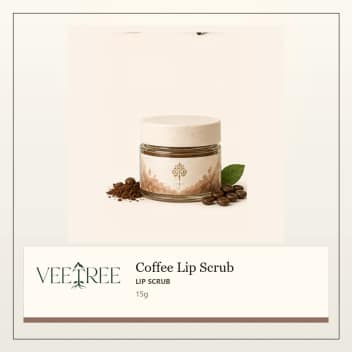
VEETREE Orange Lip Scrub uses sugar in a butter-and-oil base with orange essential oil. Coffee Lip Scrub adds coffee granules and coffee essential oil. Take a small pinch, massage very gently for the supplied two minutes, rinse and follow with balm. Use no more than twice a week.
Skip both scrubs when lips are cracked, bleeding, sore, sunburnt or carrying a cold sore. Citrus, flavour and fragrance can also bother already chapped lips, so a plain balm may be the better first step during an irritated week. If flakes return quickly, read why lips keep getting chapped before increasing scrub frequency.
How to prepare lips for lipstick
Smooth lipstick starts the night before. Apply balm, leave loose flakes alone and let the surface settle. Shortly before makeup, use a thin balm layer, wait a few minutes and blot the excess so the lipstick does not slide.
If intact lips still have one or two loose flakes, an occasional gentle scrub may help. Do not scrub immediately before a long-wear matte formula when lips already feel tight; the combination of friction and a drying finish can make every line more visible.
The step-by-step lipstick preparation guide explains timing for balm, blotting and colour. The same principle applies here: prepare for comfort first, then add the finish you want.
Who this routine suits and who should pause
This routine suits lips that feel dry, look flaky or need a smoother surface under colour. Begin with balm alone for a week. Add oil for shine or a scrub for occasional loose flakes only when there is a clear reason.
Patch test fragranced lip products if your skin reacts easily, and stop immediately if a product burns or swells the lips. People with a known nut allergy should review the almond oil listed in several VEETREE lip formulas before ordering.
Get medical or dental advice for a sore that persists, repeated swelling, crusting, bleeding, severe splits at the corners or a new patch that changes. That is clear guidance, not a failure of cosmetic care: a balm is for comfort, while persistent symptoms need a cause.
Common mistakes
Using a scrub every day turns a smoothing step into repeated friction. Keep it occasional and use almost no pressure.
Applying balm and then continuing to lick, bite or pick the lips keeps restarting the dryness loop. Reapply balm instead of pulling at a flake.
Judge a saffron, sandalwood, orange or coffee lip product by softness, comfort and surface smoothness, then keep only the texture you enjoy using.
Using a fragranced product through burning or tingling can make irritation worse. Pleasant scent and personal tolerance are separate things.
Skipping labelled sun protection outdoors leaves lips exposed. Use SPF 30 or higher lip protection even if you already use an ordinary balm indoors.
Changing several products at once makes the cause of irritation hard to identify. Introduce balm first, then decide whether oil or scrub is actually needed.
FAQ
Which VEETREE lip balm should I choose for dry lips?
Choose Sandalwood Lip Balm for a woody aroma or Fruit & Spice Lip Balm for a warm clove note. Both leave a wax-and-butter layer that helps dry lips feel more comfortable. Patch test if aromatic lip products have bothered you before.
How often should I scrub my lips?
Use a scrub only when intact lips have loose flakes, and no more than twice a week. Skip it completely when lips are cracked, sore, bleeding or irritated.
Is lip balm or lip oil better for dry lips?
Balm usually leaves a more stationary protective layer, while oil gives more slip and shine. Start with balm for tightness. Add oil only if you enjoy the glossier texture.
Can I use Mango Lip Oil every day?
Yes, if the formula suits you. Apply it to clean, dry lips and reapply when the coating wears away. Check the almond oil in the ingredient list if you have a relevant allergy.
Why do my lips feel drier after a fragranced balm?
Some people find flavour, fragrance or aromatic oils irritating, especially on already chapped lips. Burning, stinging or persistent tingling means stop using that product and choose a plainer formula.
How long should a dry-lip routine take to help?
Surface comfort may improve as soon as a suitable balm is applied. Give a consistent, non-irritating routine two to three weeks for chapping to settle. If it does not improve, ask a dermatologist to check the cause.
Do VEETREE lip balms replace an SPF lip balm?
No. The current Sandalwood and Fruit & Spice lip balm labels do not state an SPF. Use a separate broad-spectrum SPF 30 or higher lip product outdoors.
Sources and further reading
Browse all products for Dark Lips.
Published July 2026. Last checked . We compare product details with the current pack and keep source links beside the claims they support. About VEETREE · Editorial Policy.
This guide covers cosmetic care, not diagnosis or treatment. Speak with a qualified clinician when symptoms are severe, persistent or getting worse.