
Tea tree appears in concentrated essential oils, face washes, scalp gels and light hydrosol sprays. Those formats do not deliver the same amount of tea tree to skin. A finished tea tree cosmetic can fit a routine for oily-feeling or blemish-prone skin, but its benefit depends on the whole formula and how often you use it. It is not a cure for acne, eczema or dandruff.
The simplest way to start is with one product whose label names the area you want to use it on. Apply it to clean skin, follow with enough moisture to keep the face comfortable, and stop if the area becomes persistently dry or sore. More tea tree is rarely a useful answer.
What research on tea tree actually covers
Most published dermatology research concerns tea tree essential oil at a stated concentration. Reviews have examined its use in acne products and other topical preparations, but the evidence varies by condition and formula. The research does not make every product containing tea tree interchangeable.
That distinction matters for hydrosols. A hydrosol is the aromatic water collected during steam distillation. It contains far less of the oil-soluble plant material than a bottle of concentrated essential oil. Clinical findings from a measured essential-oil formula cannot be copied onto a hydrosol, especially when the finished product does not state an essential-oil percentage.
For a cosmetics guide, the honest claim is narrower. Tea tree is commonly used in formulas made for oily-feeling skin and visible blemishes. A light mist may feel fresher than a heavy cream, and a well-tolerated routine can keep the surface clean and comfortable. Persistent, painful or scarring acne needs a dermatologist rather than a stronger home mixture.
Tea tree hydrosol vs tea tree essential oil
Tea tree essential oil is a concentrated aromatic oil. It should not be swallowed or applied neat to a spot. Concentration, dilution and the rest of the formula affect both performance and irritation risk. Oxidised or poorly stored oil can be harder on skin as well.
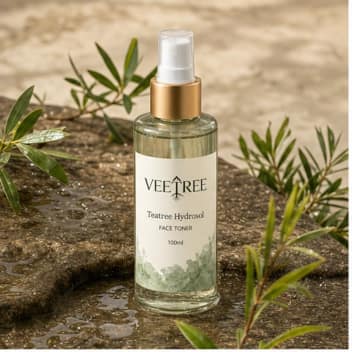
Tea tree hydrosol is water-light. VEETREE Teatree Hydrosol is made with steam-distilled tea tree water and also lists tea tree essential oil. It sprays as a fine mist for the face or scalp and has the plant's sharp herbal smell. The pack does not state how much essential oil is present, so the product should be discussed by its own label and directions, not by the concentration used in a clinical trial.
A hydrosol is the easier texture to layer when the face becomes shiny during the day. It still contains aromatic material and can still bother reactive skin. "Water-based" does not mean reaction-proof.
How VEETREE Teatree Hydrosol fits a face routine
Keep the routine short while you learn how your skin responds.
1. Cleanse with a mild product and pat dry. After exercise, wash away sweat and sunscreen rather than misting over them.
2. Close your eyes and spray two to four pumps over the face and neck, avoiding the eye area.
3. Let the mist settle or pat it in with clean hands.
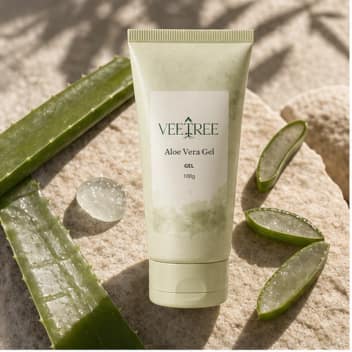
4. Follow with a light moisturising step such as VEETREE Aloe Vera Gel. Dry areas may need a cream over the gel.
5. Finish the morning with sunscreen.
The pack direction is morning and night for oily or blemish-prone skin. That frequency is a starting instruction, not a reason to continue through tightness or stinging. Reduce use or stop if the skin becomes dry, itchy or sore.
Blemish-prone skin usually benefits from fewer simultaneous changes. Add the hydrosol on its own for several days instead of starting it with a scrub, acid serum and unfamiliar moisturiser. If a reaction appears, you will have a clearer idea of what changed.
Can tea tree be used on the scalp?
Use a product only where its directions allow. VEETREE Teatree Hydrosol is labelled for both face and scalp. Part the hair, spray it onto a clean scalp and massage lightly with fingertips. The watery texture does not leave the oil layer of a pre-wash treatment, which makes it convenient between wash days.
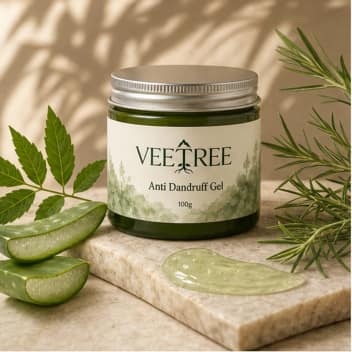
VEETREE Anti Dandruff Gel is a different product. Its pack list names aloe vera gel, tea tree essential oil, neem seed oil, jojoba oil and moringa seed oil. Apply a thin layer to a dry scalp before washing, leave it for 20 to 30 minutes, then rinse and shampoo thoroughly. The supplied direction is once or twice a week for occasional flakes.
Neither product treats seborrhoeic dermatitis or persistent dandruff. A scalp that is painful, weeping, bleeding or shedding thick scale needs proper assessment. Repeatedly adding aromatic products can make an already irritated scalp harder to understand.
Tea tree hydrosol vs a tea tree face wash
A face wash has brief contact and is rinsed away with sweat, oil and sunscreen. It suits someone who wants tea tree in the cleansing step and does not want another leave-on product. A hydrosol stays on the skin, so even a lighter concentration has a longer contact time.
Choose by routine rather than by assuming one format is stronger or better. If your cleanser already leaves the face tight, a tea tree wash may add no benefit. If you enjoy your current cleanser and want a light mist before gel, the hydrosol is the clearer fit. Do not use both at once merely because the front labels name the same plant.
Who may enjoy it, and who should pause
Someone with oily-feeling skin who dislikes rich toners may enjoy the fine mist and quick-drying finish. It can also suit a person who wants one face-and-scalp product and follows label directions carefully.
Reactive skin should move more slowly. Essential oils and fragrance components can cause irritant or allergic contact dermatitis in some people. Patch test the finished product, not a separate tea tree ingredient, using the steps in our patch-test guide.
Pause tea tree if your skin is already burning, peeling or inflamed, or if eczema is active in the area. A soothing-sounding gel should not be used to cover up an ongoing reaction. Give the barrier time to settle and follow a simple barrier routine.
Common mistakes
• Use a finished tea tree product as directed. Neat essential oil on a breakout can irritate or sensitise skin.
• Choose one tea tree step at a time. A wash, mist and spot product together can leave the face dry without adding a clear cosmetic benefit.
• Rinse or cleanse away sweat and grime first. A hydrosol is not a substitute for washing.
• Keep a light gel or lotion in the routine if oily skin also feels tight. Oiliness does not rule out the need for moisture.
• Stop if persistent heat, redness, itching or flaking develops. Burning is not proof that a cosmetic is working.
• Follow the individual label for placement and contact time instead of carrying face directions onto the scalp, or the reverse.
FAQ
Is tea tree good for acne-prone skin?
Tea tree is used in cosmetics for oily-feeling and blemish-prone skin, and some essential-oil formulas have been studied for acne. VEETREE Teatree Hydrosol is a cosmetic mist, not acne medicine. It may fit a light routine, but painful, widespread or scarring acne needs a dermatologist.
Can I put tea tree essential oil directly on a spot?
No. Neat essential oil can irritate skin and may cause contact dermatitis. Choose a properly formulated product, follow its label and patch test before wider use.
Will tea tree dry out my skin?
It can. Watch for tightness, stinging, persistent redness or flaking. Follow a hydrosol with Aloe Vera Gel or another suitable moisturiser, and stop rather than trying to moisturise over an active reaction.
Can I use tea tree hydrosol every day?
VEETREE's pack direction allows daily scalp use and morning-and-night face use for oily or blemish-prone skin. Your comfort still matters. Start once daily if you react easily, and stop if dryness or soreness develops.
Can I use tea tree hydrosol with niacinamide or exfoliating acids?
There is no need to start them together. Keep one familiar routine, add the hydrosol first and observe it. If you already use an exfoliating acid, avoid increasing both products in the same week because irritation becomes harder to trace.
Is tea tree hydrosol suitable for sensitive skin?
There is no universal sensitive-skin answer. VEETREE's hydrosol also lists tea tree essential oil, so its scent may bother reactive skin. Patch test the finished mist and skip it during an active flare.
Does tea tree hydrosol treat dandruff?
No. It is a light cosmetic scalp mist. It may help a cared-for scalp feel fresher, while Anti Dandruff Gel is a wash-off step for occasional visible flakes. Persistent dandruff or an inflamed scalp should be assessed by a doctor.
Sources and further reading
Browse all products for Acne & Blemishes.
Published July 2026. Last checked . We compare product details with the current pack and keep source links beside the claims they support. About VEETREE · Editorial Policy.
This guide covers cosmetic care, not diagnosis or treatment. Speak with a qualified clinician when symptoms are severe, persistent or getting worse.