
A damaged skin barrier is often noticed at the sink: water feels sharper than usual, moisturiser stings, and the face stays tight after cleansing. A new acid, enthusiastic scrubbing, several active products at once, hot water or dry weather may have pushed an already sensitive routine too far.
The useful response is a reset, not a shopping list. This guide shows how to simplify morning and night care, decide when to restart optional products, and recognise symptoms that need a dermatologist rather than another cosmetic.
What a stressed skin barrier can feel like
The skin barrier is the outermost part of the skin. It helps hold water in and limits contact with irritants from the environment. When that layer is stressed, the face may feel rough, tight, itchy or tender. Flaking and stinging with products that were previously comfortable are common clues, though none of these signs identifies one condition on its own.
Look at what changed in the days before the discomfort began. Starting two strong products together, cleansing more often, scrubbing flaky areas, using very hot water or applying a fragranced formula can all make irritation harder to settle. Stop the newest likely trigger first and resist the urge to polish away flakes.
Use a short reset routine
In the morning, rinse with lukewarm water or use a mild cleanser only if you need it. Pat rather than rub, then apply a familiar moisturiser while the skin is still slightly damp. Finish with a broad-spectrum sunscreen that your skin already tolerates. A hat and shade reduce how much work the sunscreen has to do outdoors.
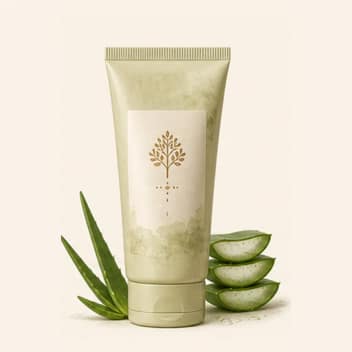
At night, cleanse gently enough to remove sunscreen and daily dirt without chasing a squeaky finish. Follow with the same moisturiser. If a light aloe gel has always felt comfortable, it can go underneath the cream for extra water-based hydration; aloe gel is optional and is not a treatment for eczema, infection or an allergic reaction.
Pause the products most likely to keep irritation going
Set aside face scrubs, peel pads, exfoliating acids, retinoids, strong spot treatments and rinse-off packs while skin is stinging or visibly inflamed. Even a product that normally suits you may be uncomfortable on irritated skin. Follow a prescriber's instructions for medicines rather than stopping or restarting them on general internet advice.
Botanical does not automatically mean mild. Essential oils, fragrance components and concentrated plant extracts can irritate some people, particularly on already sore skin. Read the whole ingredient list, use products as labelled, and avoid homemade lemon, baking soda or undiluted essential-oil remedies.
Add optional steps back one at a time
Wait until cleansing and moisturising feel comfortable and the obvious flaking or tenderness has eased. Then reintroduce one optional product, not the old routine in a single evening. Use it less often than before, keep the rest of the routine unchanged and watch the skin for several days.
Patch testing lowers uncertainty but cannot guarantee that the full face will tolerate a product. The American Academy of Dermatology suggests testing a product on a small area twice daily for seven to ten days, following the normal contact time. Wash it off and stop if the test area becomes red, itchy or swollen.
Know when a reset is not enough
Get professional advice if the problem is painful, keeps returning, spreads, interrupts sleep or does not improve with gentle care. Blisters, facial swelling, open or weeping skin, warmth, pus, fever, eye involvement or breathing trouble need prompt medical attention. Those signs go beyond a cosmetic routine problem.
Eczema, rosacea, contact dermatitis, acne treatment reactions and infections can overlap with what people casually call barrier damage. A dermatologist can identify the cause and decide whether prescription treatment or formal allergy patch testing is appropriate.
FAQ
How long does a damaged skin barrier take to repair?
There is no reliable universal countdown. Mild irritation may begin to feel calmer after several days of a simple routine, while persistent or condition-related problems can take much longer. Seek advice if symptoms are severe, recurring or not improving.
Should I stop all skincare when my face stings?
Pause optional actives and the likely trigger, but keep basic cleansing, moisturising and daytime sun protection as comfortable. If even plain products burn strongly, rinse them off and ask a dermatologist what to use.
Can aloe vera gel repair the skin barrier?
A tolerated aloe gel can provide light, water-based hydration, but it does not rebuild every part of the barrier or replace medical treatment. Dry skin often needs a cream or ointment over it to reduce water loss.
Can I exfoliate flaky skin during barrier recovery?
Skip scrubs and exfoliating acids while the skin is sore, tight or stingy. Picking or scrubbing flakes can prolong irritation. Let gentle cleansing and moisturising soften them instead.
When can I restart retinol or acids?
Restart only after the skin feels settled, and introduce one product at a lower frequency. Follow clinician directions for prescription products. Stop again and seek advice if persistent burning, swelling or a rash returns.
Sources and further reading
Browse all products for Sensitive Skin.
Published July 2026. Reviewed 10 July 2026. This guide covers cosmetic care, not diagnosis or treatment. Speak with a qualified clinician when symptoms are severe, persistent or getting worse. About VEETREE · Editorial Policy.