
Beauty charts often reduce the question to oil versus water: dry skin lacks oil, dehydrated skin lacks water. Real skin is less tidy. Dry skin also has reduced water-holding capacity, and the word dehydrated is used differently in cosmetics and medicine.
Treat the labels as clues, not diagnoses. What changed, how long the feeling lasts and whether moisturiser helps are more useful than a pinch test beside the mirror.
Dry skin is more than a temporary thirsty feeling
Dry skin often feels rough, flaky, itchy or tight and may recur with age, climate or an underlying condition. The outer stratum corneum can have fewer lipids and a reduced ability to hold water. Cracks and persistent itch suggest more than a momentary lack of surface hydration.
Creams and ointments generally reduce water loss better than a very light gel. Apply moisturiser soon after washing while skin is still slightly damp, use lukewarm water and replace harsh soap with a mild cleanser.
Dehydrated skin is useful shorthand, not a separate diagnosis
In cosmetic language, dehydration usually describes skin that temporarily feels tight, looks dull or shows fine surface lines after losing water. Hot weather, air conditioning, long travel, over-cleansing and repeated exfoliation can contribute. These signs can happen to any baseline skin type.
The term overlaps with dryness because excessively dry skin is also low in moisture. There is no home test that cleanly sorts every face into one box. If the change came suddenly after a new routine, simplify first and watch whether comfort returns.
Oily skin can feel tight after cleansing
Surface shine does not prove that the skin is holding water well. An oily T-zone can coexist with tight cheeks, especially after a foaming cleanser, alcohol-heavy toner or multiple acne actives. Scrubbing harder usually makes the discomfort worse.
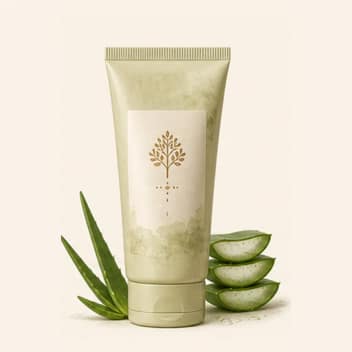
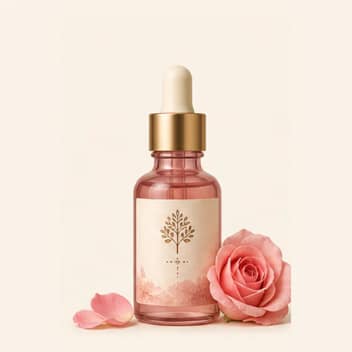
Use a light hydrator such as Aloe Vera Gel or Aqua Rose Brightening Serum only if its other ingredients suit your routine. If tightness returns quickly, add a light cream to dry areas. Non-comedogenic labelling may help acne-prone shoppers choose, but personal tolerance still matters.
Run a two-week routine check
Keep cleansing mild, pause non-essential exfoliation and apply one familiar moisturiser consistently. Note whether tightness appears only after washing, through an air-conditioned workday or in a particular season. That pattern gives a better routine clue than buying several hydrating products at once.
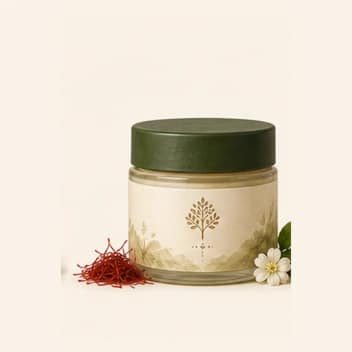
If gel settles the problem in humid weather, keep it simple. If the face remains flaky, use cream as the final layer; Kumkumadi Night Cream is a richer botanical option for people who already tolerate its formula. Very sensitive skin may need a plainer fragrance-free moisturiser instead.
Do not confuse facial tightness with whole-body dehydration
Medical dehydration means the body has lost fluid, often through vomiting, diarrhoea, fever or heavy sweating. Clinicians may assess skin turgor alongside other symptoms. Pinching facial skin to choose a serum is not the same assessment, and age or connective-tissue differences can affect elasticity.
Get medical care for signs of significant fluid loss or if you cannot keep fluids down. See a dermatologist for cracked, bleeding, painful or intensely itchy skin, signs of infection, or a rash that does not improve with gentle moisturising.
FAQ
What is the main difference between dry and dehydrated skin?
Dry skin is a recognised recurring state involving barrier and moisture retention. Dehydrated skin is cosmetic shorthand for temporary surface water shortage, and the two can overlap.
Can oily skin be dehydrated?
Yes. Oily skin can still feel tight or uncomfortable after harsh cleansing, dry air or too many active products. Choose light hydration and avoid stripping the surface.
Does drinking more water fix dehydrated skin?
Normal hydration supports general health, but drinking water does not replace a mild routine and topical moisturiser. Seek care if you have symptoms of whole-body dehydration.
Should I use gel or cream for tight skin?
Start with the lightest texture that keeps skin comfortable. If gel dries down and tightness returns, add or switch to cream, especially in low humidity.
Is the skin pinch test accurate for dehydrated facial skin?
No simple facial pinch test diagnoses a cosmetic skin type. Medical skin-turgor assessment concerns systemic fluid loss and is interpreted with other symptoms.
Sources and further reading
Browse all products for Dry Skin.
Published July 2026. Reviewed 10 July 2026. This guide covers cosmetic care, not diagnosis or treatment. Speak with a qualified clinician when symptoms are severe, persistent or getting worse. About VEETREE · Editorial Policy.