
Aloe vera gel earns a place in a face routine when you want a light layer rather than a rich cream. It spreads easily, settles with little oiliness and can be useful in warm or humid weather. That texture is the main practical benefit.
The product in a jar is a finished cosmetic, not a cut aloe leaf and not the material used in medical aloe studies. Its thickeners, preservative, directions and your own skin all matter. Use it for surface hydration and comfort. Do not treat it as a cure for acne, burns, rashes or any skin condition.
What is in VEETREE Aloe Vera Gel
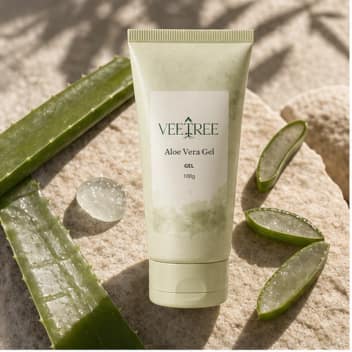
VEETREE Aloe Vera Gel lists four parts on the pack: Aloe barbadensis juice, xanthan gum, guar gum and Geogard ECT. Aloe juice forms the water-based portion. Xanthan and guar give it a gel texture. Geogard ECT is the listed Ecocert/COSMOS-approved preservative system.
That short list is useful because it tells you what you are actually applying. A preserved water-based product needs protection against microbial contamination during its intended shelf life. The FDA notes that contaminated cosmetics can become harmful, which is why a preservative is not an unnecessary flaw in a water-rich gel.
The pack does not give an aloe percentage, clinical endpoint or medicinal indication. We therefore describe the finished gel by its ingredient list, texture and cosmetic use rather than borrowing wound, burn or disease claims from a study of a different aloe material.
The cosmetic benefits you can reasonably expect
The gel adds a thin, water-rich layer and feels lighter than a cream or facial oil. It can reduce the tight feeling that follows cleansing when skin needs only a small amount of hydration. Because it contains no rich butter or carrier-oil blend, it usually leaves less surface weight.
On comfortable oily or combination skin, that may be enough during humid weather. On dry or dehydrated-feeling skin, the water can evaporate and tightness may return. A moisturiser on top supplies a longer-lasting emollient or occlusive layer.
Aloe Gel can also dampen the face before another product or provide slip during application. Those are modest but useful benefits. It does not whiten skin, remove pigmentation, cure acne or repair a damaged skin barrier by itself.
Aloe vera gel vs moisturiser
A gel is mostly about light hydration and a quick-set texture. Choose it when cream feels too heavy, the weather is humid or your skin is already comfortable but wants a little more water-based slip.
A moisturiser usually combines water with oils, butters or other ingredients that slow moisture loss and soften the surface for longer. Choose one when cheeks feel tight again after the gel dries, when skin flakes, or when air-conditioning and dry weather make a light layer disappear too quickly.
Using both is simple: gel first, moisturiser second. You do not need to wait for the gel to become bone dry; let it settle, then apply a comfortable amount of cream. The aloe gel versus moisturiser guide compares the two textures in more detail.
A morning routine with aloe gel
1. Cleanse gently or rinse according to what already suits your skin. Pat away dripping water but leave the face slightly damp if that feels comfortable.
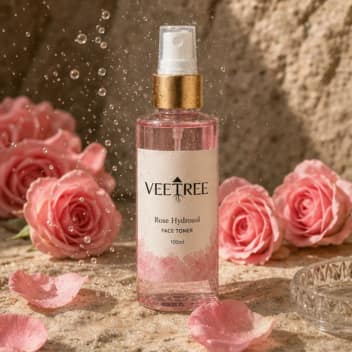
2. Optional: mist VEETREE Rose Hydrosol before the gel if you enjoy a floral first layer. The hydrosol is fragranced with rose essential oil, so it is not automatically the gentler choice for sensitive skin.
3. Apply a small amount of Aloe Vera Gel to face and neck and massage gently until absorbed. More gel can leave a tacky layer without adding a known benefit.
4. Add moisturiser if skin still feels tight. Finish with broad-spectrum sunscreen according to its label. Aloe gel does not replace sunscreen. The toner, serum, gel and cream order guide can help when you use more than these basic steps.
An evening routine and richer options
After cleansing, apply a thin Aloe Vera Gel layer to the face and neck. Leave it on; the supplied direction does not require rinsing. If skin remains comfortable after it dries, the routine can stop there.
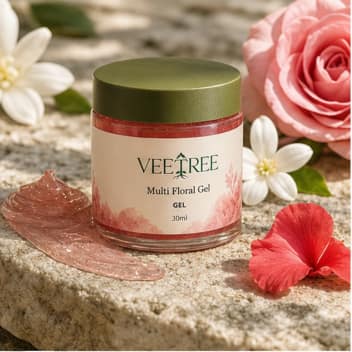
If you want a gel with a more complex ingredient list, VEETREE Multi Floral Gel includes aloe, flower decoction, glycerine, panthenol, hyaluronic acid, bakuchiol oil and copper tripeptide. It is not a stronger version of plain aloe gel; it is a different formula with more potential variables. Patch test and choose one gel at a time.
Dry skin can finish with a cream. A night oil can go after water-based gel when its own directions allow, but do not assume oil replaces the water step. Read the whole label and reduce layers if products pill, feel sticky or lead to congestion.
Face, body, scalp and pack mixing
The current Aloe Vera Gel direction allows use on face, body and scalp. On the body, spread a small amount over clean skin when you want a light layer. Very dry legs, hands or elbows will usually prefer a lotion or body butter afterward.
On the scalp, apply sparingly to clean skin and leave it in. A gel can feel cooling and light, but it does not shampoo away oil or treat persistent flakes. Stop if the scalp becomes sticky, itchy or coated.
The direction also allows Aloe Vera Gel instead of water when mixing VEETREE Protein Hair Pack or Face Brightening Pack. Mix only the amount needed for that use, keep the original gel container clean and follow the rinse-off product timing. Adding gel does not turn either pack into a medical treatment.
Who it may suit and who should pause
The gel may suit oily, combination or normal skin that wants light hydration. It can also suit dry skin as a first layer, provided a richer moisturiser follows when needed.
Sensitive skin should still patch test. Aloe is botanical, and the finished product also contains gums and a preservative system. The American Academy of Dermatology recommends testing a new skincare product on a small area before wider use. Follow the VEETREE patch-test guide and introduce one formula at a time.
Do not apply the gel to a fresh burn, broken skin, an open wound or an unexplained rash. Persistent pain, swelling, heat, blistering or worsening irritation needs medical advice. When ordinary products suddenly sting, simplify the routine and read the gentle barrier-care guide.
Common mistakes
Assuming aloe gel is the same as moisturiser leaves dry skin tight after the water layer evaporates. Add cream when needed.
Using a medical aloe study to promise results from a preserved cosmetic gel ignores differences in material, concentration and use.
Applying a thick layer can increase tackiness and pilling. Start small and spread it evenly.
Adding Rose Hydrosol, Multi Floral Gel and another serum on the first day makes any reaction difficult to trace. Begin with one product.
Putting fingers into the jar with unwashed hands adds avoidable contamination. Keep the container and hands clean and close it after use.
Continuing on burning, swollen or broken skin gives a cosmetic a job it should not have. Rinse, stop and seek advice if symptoms persist.
FAQ
Can I use Aloe Vera Gel on my face every day?
Yes, if the finished formula remains comfortable. Apply a small amount to clean skin and leave it on. Add moisturiser when skin feels tight after the gel dries.
Can I leave Aloe Vera Gel on overnight?
Yes. The supplied direction says it is a leave-on gel. Use a thin layer, and stop if you develop itching, burning, swelling or persistent redness.
Does aloe gel replace moisturiser?
Sometimes on comfortable oily skin in humid weather, but not always. Dry or dehydrated-feeling skin often needs a cream or lotion over the gel for longer-lasting comfort.
Is Aloe Vera Gel suitable for oily skin?
Its light, non-oily texture may suit oily skin. That does not guarantee it will suit every person, so patch test and use a small amount first.
Can Aloe Vera Gel cure acne or fade pigmentation?
No. This is a cosmetic hydration gel. It does not cure acne, remove pigmentation, whiten skin or replace medical care for a skin condition.
Can I use Aloe Vera Gel on sunburn or broken skin?
Do not use this cosmetic on a fresh burn, broken skin or an open wound. Cool the area safely and seek medical guidance for blistering, severe pain or a significant burn.
Why does aloe gel pill under sunscreen?
Too much gel, rubbing several thick layers or an incompatible next formula can make product roll up. Use less, let it settle briefly and pat rather than repeatedly rubbing.
Sources and further reading
Browse all products for Sensitive Skin.
Published July 2026. Last checked . We compare product details with the current pack and keep source links beside the claims they support. About VEETREE · Editorial Policy.
This guide covers cosmetic care, not diagnosis or treatment. Speak with a qualified clinician when symptoms are severe, persistent or getting worse.