An ubtan face pack is a dry blend of ground grains, pulses and botanicals that becomes a paste when mixed with water. On the skin, its most useful cosmetic job is straightforward: it loosens surface buildup and gives rough-feeling areas a brief, gentle polish. Skin can feel smoother after rinsing, and that smoother surface may look fresher. It does not bleach skin, remove pigmentation or permanently change skin tone.
The word ubtan covers many recipes. A homemade wedding paste, a finely milled commercial powder and a coarse grain-based pack can feel completely different. Read the ingredient list and directions for the product in front of you rather than treating every ubtan as interchangeable.
What an ubtan face pack can honestly do
Ground grains and pulses provide physical exfoliation as the wet paste is spread and rinsed away. That can lift loose flakes and surface residue. A wash-off pack may also absorb some oil while it sits, which is why normal or oily-feeling skin often enjoys the finish more than very dry skin.
The visible change is usually modest and immediate: skin feels cleaner, the surface looks less dusty or rough, and makeup may sit more evenly later. A face pack cannot reach deep-set pigmentation or treat acne. If a mark is persistent, changing or accompanied by pain or inflammation, skincare should not delay appropriate medical advice.
How the pack is removed matters as much as what is in it. Letting a grainy paste dry hard and then scrubbing it off creates more friction than rinsing it while it is still slightly damp. The extra rubbing does not produce a better cosmetic result. It is simply more likely to leave skin tight or sore.
What is inside VEETREE Face Brightening Pack
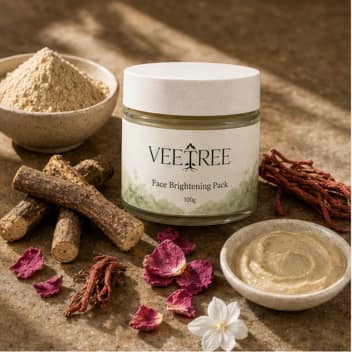
VEETREE Face Brightening Pack is a dry, ubtan-style powder. Its complete pack list includes green gram, raw rice, oats, flaxseeds, almond, red masoor dal, chickpeas, fenugreek and wheat flour, followed by roots, flowers, fruit and vegetable powders. Licorice, manjistha, avarampoo, hibiscus and Damask rose are among the named botanicals.
The grains and lentils explain the texture. Once wet, the paste remains a little grainy rather than turning into a perfectly smooth clay mask. That grain is the exfoliating part, so pressure should stay light. This is a rinse-off powder preparation, not a leave-on botanical extract.
The label matters if you avoid particular ingredients. This formula lists almond and wheat flour, for example. Check the full list before ordering and patch test the prepared paste, since the wet mixture is what touches your skin.
How to mix the right texture
Start with a small amount of powder in a clean, dry bowl. Add water a little at a time and mix until the paste spreads without dripping. Too much water sends it down the neck; too little leaves dry clumps that drag across the face. Aim for the texture of a soft, spoonable paste.
You can use VEETREE Aloe Vera Gel instead of water if you prefer a gel-bound mixture. It will still be a wash-off pack. Do not add lemon juice, undiluted essential oils or several kitchen ingredients to make the pack feel more "active." Those additions change the formula and can make a simple weekly step needlessly irritating.
Mix only what you need for one use. Keep wet fingers and utensils out of the pouch so moisture does not enter the remaining powder.
How to use an ubtan face pack
1. Cleanse gently and pat the face dry. Skip scrubbing, acids or another exfoliant that day.
2. Mix a small amount of powder with water into an even, spreadable paste that retains a fine grain.
3. Apply a thin, even layer over the face and neck. Avoid the eye area, lips and any broken or inflamed skin.
4. Leave it on for 10 to 15 minutes, or until it is partly dry. It does not need to crack.
5. Wet the layer with lukewarm water. Loosen it with very light circular movements, then rinse thoroughly.
6. Pat dry and apply a comfortable moisturising step. Use sunscreen in the daytime.
The supplied directions allow two to three uses a week. That is a maximum, not a target every person has to reach. Once a week is a sensible start, particularly if your routine already includes a scrub, exfoliating acid, retinoid or strong acne product.
What to apply after rinsing
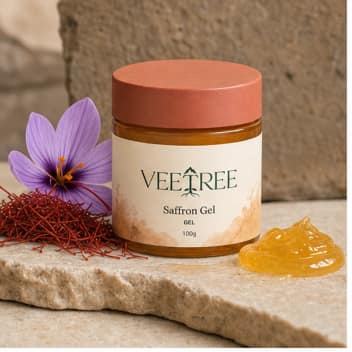
Freshly rinsed skin should feel comfortable, not squeaky or polished tight. Follow with a leave-on product chosen by texture. Saffron Gel is a light, water-based gel made with a Kashmiri saffron infusion and a little rosehip oil. It suits someone who does not want a rich finish.
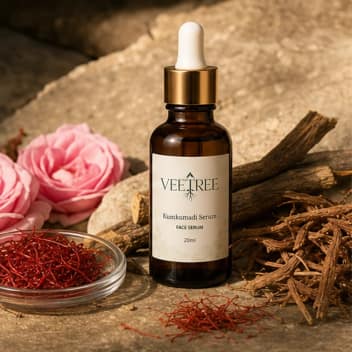
Dry-feeling skin may prefer moisturiser, or two to three drops of Kumkumadi Serum at night. Kumkumadi Serum has a sesame oil base with almond and rosehip oils, so it leaves a noticeable oil layer. Do not use the face pack to force several unfamiliar products into the same evening. One familiar moisturising step is enough.
If you use the pack before an event, try it on an ordinary week first. A first application on the morning of a wedding or photograph gives you no time to respond if your skin becomes red or dry.
Ubtan face pack vs face scrub
A face pack stays on the skin for a stated contact time before rinsing. A scrub works mainly while particles move across the skin. A grain-based ubtan can do a little of both, especially during removal, but it should not be treated as permission to scrub harder.
Choose the pack when you want a measured wash-off step with mild surface exfoliation. Choose neither when skin is burning, peeling, sunburnt or inflamed. Using a scrub first and an exfoliating pack immediately afterwards doubles the friction without doubling the benefit. Our face pack versus face scrub guide explains how to separate them.
Who it suits, and who should pause
Normal, combination or oily-feeling skin may enjoy an occasional grain-based pack, especially when the surface feels rough. Dry skin can use one less often if it is followed by enough moisturiser and does not leave lasting tightness.
Reactive skin needs a slower introduction. Prepare a small amount exactly as directed and follow the steps in our skincare patch-test guide. Pause if the test area develops burning, swelling, persistent itching or a rash.
Skip the pack over active, painful breakouts, cuts, eczema flares or any area a dermatologist has asked you to leave alone. If your barrier already feels sore after water or plain moisturiser, focus on a gentler barrier routine before considering exfoliation.
Common mistakes
• Rinse while the pack is partly dry. A hard, fully dry layer can make removal rougher and leave dry skin uncomfortable.
• Keep pressure light instead of scrubbing for an "instant de-tan." Friction cannot remove deep pigment or speed the skin's renewal cycle, and it can cause visible irritation.
• Keep exfoliating acids, retinoids and another scrub out of the same routine until you know how your skin responds to the pack.
• Add water only to the amount you will use immediately, then store the remaining powder dry.
• Follow the pack with moisture instead of another round of cleansing.
FAQ
How often should I use an ubtan face pack?
Start once a week. The VEETREE pack directions allow two to three uses weekly, but your skin and the rest of your routine decide whether that frequency is comfortable. Reduce use if skin feels tight, rough or stingy afterwards.
Should I use a face pack before or after a shower?
Either can work. Apply it to clean skin when you can keep the paste in place for 10 to 15 minutes. Rinse thoroughly, then moisturise. Avoid a hot shower immediately afterwards if heat tends to leave your face red.
Can an ubtan face pack remove tan or pigmentation?
No cosmetic face pack can remove pigmentation or bleach skin. Gentle exfoliation can lift surface flakes, so skin may look fresher after rinsing. Recent tanning fades gradually as skin renews, while persistent pigmentation needs suitable dermatology advice.
Can I use an ubtan face pack on acne-prone skin?
Use caution. Do not rub over inflamed or painful spots, and do not describe a face pack as acne treatment. If your skin is otherwise comfortable, patch test the prepared paste and rinse with minimal friction.
Can I mix ubtan with milk, curd or rose water?
Follow the product directions first. VEETREE's directions specify water, and Aloe Vera Gel is also listed as a mixing option. Adding food or scented liquids changes the mixture and may make a reaction harder to trace.
Does a face pack give permanent results?
It can give a temporary smoother, fresher-looking surface. Keeping that comfortable finish depends on occasional use, daily moisture and sun protection. It is not a permanent change to natural skin colour or texture.
Sources and further reading
Browse all products for Dull & Tired Skin.
Published July 2026. Last checked . We compare product details with the current pack and keep source links beside the claims they support. About VEETREE · Editorial Policy.
This guide covers cosmetic care, not diagnosis or treatment. Speak with a qualified clinician when symptoms are severe, persistent or getting worse.