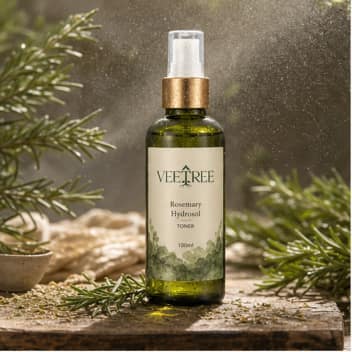

Rosemary hydrosol is useful for a simple reason: it places a water-light aromatic mist on the scalp without the oily layer of a pre-wash treatment. It can fit between wash days, dry quickly and leave no oil that must be shampooed out.
Use hydrosol for its texture and scalp-care role. It keeps a between-wash step light and easy to repeat. Persistent shedding, patchy loss or scalp disease needs a proper cause, not a stronger mist.
What rosemary hydrosol actually is
During steam or hydrodistillation, volatile material travels with water vapour and then condenses. The concentrated oil phase separates from an aqueous aromatic phase. That water phase is called a hydrosol, hydrolate or aromatic water.
A published analysis of rosemary, sage and cypress hydrosols describes hydrosols as the aqueous phase obtained during distillation and notes that their chemical profile may overlap with the matching essential oil but usually differs in quantity. A hydrosol is therefore not simply essential oil with a casual splash of water.
VEETREE Rosemary Hydrosol is labelled as steam-distilled rosemary hydrosol with rosemary essential oil. The label does not state the added essential-oil percentage. That is why this guide describes the finished product as a fragranced, water-light scalp mist without assigning it a research concentration.
What the finished mist does well
The mist reaches scalp partings with little weight and dries without a greasy finish. That makes it convenient for someone who wants a botanical scalp step in the morning or evening but does not want to bring wash day forward.
It can dampen roots before a brief fingertip massage and leave the scalp feeling freshly misted. Those are genuine sensory benefits. The product does not clean away sebum, sweat or styling buildup, so it does not replace shampoo and water.
If your goal is to understand whether the visible issue is hair leaving the root or hair snapping along the length, start with the hair shedding versus hair breakage guide. The routine is different for each problem, while the hydrosol remains a light scalp-care step.
Rosemary hydrosol vs rosemary essential oil
Hydrosol is mostly an aqueous distillate, so it sprays easily and can remain as a leave-in step. Essential oil is a concentrated volatile oil. It should not be treated as an interchangeable water product or applied neat to the scalp.
A frequently cited randomised trial compared rosemary oil with 2% minoxidil in people with androgenetic alopecia. It reported no significant hair-count change at three months in either group and a change at six months. Whatever the study's strengths and limits, it tested a rosemary-oil preparation in a named condition. It did not test rosemary hydrosol, and its result cannot be transferred to a mist bottle.
VEETREE Rosemary Hydrosol also lists some rosemary essential oil in the finished product, but the label does not provide its percentage. Choose the hydrosol for its light texture and simple leave-in use, and assess the finished product on its own directions.
Rosemary hydrosol vs a pre-wash hair oil
Choose hydrosol when you want a non-greasy step between washes. Spray the roots, massage briefly and leave it in. It adds almost no coating to dry lengths and should not be expected to replace conditioner.
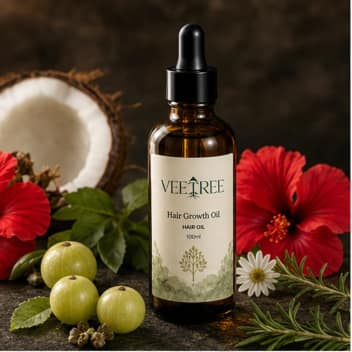
Choose VEETREE Hair Growth Oil when you want massage slip and a richer coating before shampoo. Its cosmetic role is conditioning and pre-wash scalp massage. The blend contains wood-pressed coconut oil, kalonji, sesame and almond oils with herbs including amla, bhringraj, hibiscus and rosemary.
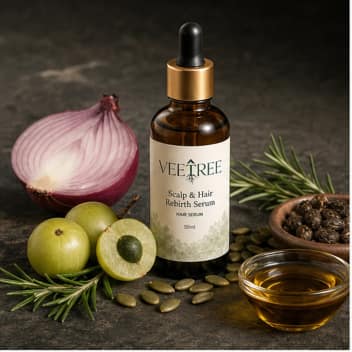
VEETREE Scalp & Hair Rebirth Serum is another pre-wash oil, not a water serum. It is more concentrated in texture and lists several carrier and aromatic oils. Use a few drops before washing, not as a substitute for the leave-in hydrosol. Pick one route according to whether you want light daily misting or richer pre-wash slip.
How to use Rosemary Hydrosol
1. Start with a clean, comfortable scalp. Part the hair so the spray reaches skin rather than only coating the top layer of hair.
2. Spray directly onto the scalp and roots. Begin with enough to lightly dampen the partings, not soak the whole head.
3. Massage gently with fingertips for one to two minutes. Use the pads of the fingers, not nails.
4. Leave it in and style as usual. The supplied direction is morning and night on a clean scalp, with no rinse. If twice-daily use creates itch, tightness or buildup for you, stop rather than forcing the schedule.
On wash day, shampoo according to how dirty or oily the scalp becomes. The American Academy of Dermatology advises focusing shampoo on the scalp and choosing wash frequency by hair and scalp needs. Read how often to wash your hair if a fixed calendar keeps leaving you greasy or dry.
How to layer it through the week
On ordinary non-wash days, use the hydrosol alone on the roots. Let it dry before adding a hat, scarf or helmet. Repeatedly trapping a damp scalp can feel uncomfortable in hot weather.
Before wash day, skip the hydrosol if the scalp already feels coated. Apply Hair Growth Oil for about an hour or overnight, or the Scalp & Hair Rebirth Serum for at least 30 minutes according to its direction, then shampoo thoroughly. More oil is not necessary once you have enough slip to massage.
After washing, keep rich leave-ins on the mid-lengths and ends. A scalp mist, pre-wash oil and hair butter do different jobs; stacking all three on the roots invites buildup. The scalp buildup guide explains how excess oil, styling product and incomplete washing can show up.
Who it suits and who should pause
Rosemary Hydrosol may suit normal or oily scalps that dislike an oily leave-in. It also suits someone who enjoys an aromatic mist and wants a brief massage step without changing the wash schedule.
The finished product contains rosemary essential oil and has a noticeable scent. Patch test before regular scalp use if fragrance or essential oils have irritated you before. DermNet notes that essential oils can cause allergic contact dermatitis in some people; natural origin does not remove that possibility.
Do not spray onto scratched, weeping or acutely inflamed scalp skin. Stop for burning, persistent itching, redness or worsening flakes. Use the dry scalp versus dandruff guide for a first comparison, then seek a clinician for persistent scale, sores, patchy loss or sudden heavy shedding.
Common mistakes
Calling hydrosol diluted essential oil misses the fact that the water and oil phases have different chemical profiles.
Quoting a rosemary-oil trial as proof for rosemary water is an unsupported leap. The material, concentration and use were different.
Misting over a dirty, coated scalp does not clean it. Shampoo when oil, sweat and product buildup call for washing.
Soaking the roots adds drying time without adding a known benefit. A light, even mist is enough.
Scratching during massage can irritate an already itchy scalp. Use fingertip pads and light pressure.
Continuing through redness or burning treats irritation as progress. Stop and reassess instead.
FAQ
Is rosemary hydrosol the same as rosemary essential oil?
No. Hydrosol is the aqueous aromatic phase from distillation, while essential oil is the separated concentrated oil phase. Their compositions and strengths are not interchangeable.
Can I use rosemary hydrosol between wash days?
Yes. Its water-light texture is designed for leave-in scalp use and does not need to be shampooed out. Spray it on clean scalp partings, massage lightly and let it dry before styling.
Can I use VEETREE Rosemary Hydrosol every day?
The supplied direction says morning and night on a clean scalp. Start gradually and continue only if the fragranced formula remains comfortable. Stop for itching, redness or burning.
Do I need to rinse rosemary hydrosol out?
No. VEETREE Rosemary Hydrosol is a leave-in mist. Spray lightly, massage for one to two minutes and style as usual.
Can rosemary hydrosol replace shampoo?
No. A mist does not remove scalp oil, sweat, dead skin or styling residue. Wash with shampoo and water according to how quickly your scalp becomes dirty or oily.
Can I use rosemary hydrosol and hair oil together?
Yes, but they do not need to be layered at the same moment. Use hydrosol between washes and a pre-wash oil before shampoo. Skip extra layers when the scalp already feels coated.
Is rosemary hydrosol suitable for a sensitive scalp?
Not automatically. The VEETREE formula includes rosemary essential oil and fragrance-sensitive skin may react. Patch test, avoid broken skin and stop if discomfort develops.
Sources and further reading
- PubMed Central: Phytochemical analysis of rosemary and other hydrosols
- PubMed: Rosemary oil versus 2% minoxidil randomised comparative trial
- DermNet: Allergic contact dermatitis to essential oils
- American Academy of Dermatology: Healthy hair care tips
- US Food and Drug Administration: Cosmetics labelling claims
Browse all products for Hair Fall & Scalp Care.
Published July 2026. Last checked . We compare product details with the current pack and keep source links beside the claims they support. About VEETREE · Editorial Policy.
This guide covers cosmetic care, not diagnosis or treatment. Speak with a qualified clinician when symptoms are severe, persistent or getting worse.