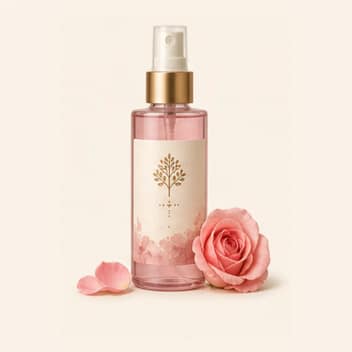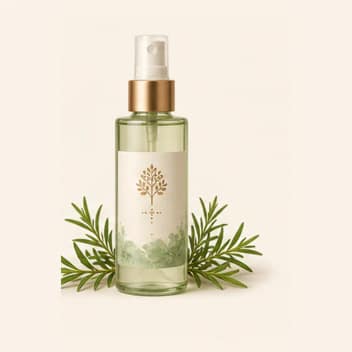

A rose spray can be sold as a hydrosol, toner and face mist without the label being contradictory. Each word answers a different question: how was the liquid made, where does it sit in a routine, and how is it dispensed?
That overlap matters when shopping. The front name cannot tell you whether a bottle is gentle, exfoliating, fragranced or useful for your skin; the ingredient list and directions can.
What each label actually tells you
| Question | What the name tells you | What you still need to check |
|---|---|---|
| Hydrosol | The liquid comes from plant distillation. | Added fragrance, essential oil, preservatives and the complete ingredient list. |
| Toner | The product is intended for use after cleansing. | Whether it hydrates, exfoliates, removes residue or simply adds scent. |
| Face mist | The bottle dispenses a fine spray. | The formula inside and whether it belongs in your routine at all. |
Hydrosol describes the aromatic water
A true hydrosol is the water phase produced during steam or water distillation of plant material. It carries water-soluble plant compounds and tiny amounts of aromatic material. Rose, tea tree and rosemary hydrosols can smell recognisable without being the same as undiluted essential oil.
The word does not guarantee purity, preservation or suitability for every face. Check whether the formula also includes essential oil, fragrance or preservatives. VEETREE Rose Hydrosol and Teatree Hydrosol each list the distilled hydrosol together with the corresponding essential oil, so reactive skin should patch test rather than assuming the spray is fragrance-free.
Toner describes the routine step
Toner is usually a water-based leave-on product used after cleansing and before serum or moisturiser. Modern toners may focus on hydration, while others contain acids or astringent ingredients. Those formulas should not be treated as interchangeable just because they share a shelf label.
A hydrating toner is optional. Cleanser, moisturiser and daytime sunscreen can form a complete basic routine without one. If a toner repeatedly stings, leaves the face tight or duplicates an exfoliating serum, removing it is more sensible than forcing daily use.
Face mist describes how the product is applied
A face mist is simply a facial product delivered as a fine spray. It may contain hydrosol, plain water with humectants, an essence-like formula or mostly aromatic ingredients. The spray mechanism says little about the cosmetic job inside.
Use a mist after cleansing when it is acting as toner, or over the face later if the label permits. A midday spritz can feel cool, but water evaporating from very dry skin may leave it tight again. Follow with moisturiser when lasting comfort is the goal.
Choose by formula, not by the prettiest name
For dry skin, look for a non-stripping formula and water-binding ingredients rather than alcohol high on the list. Oily skin may prefer a very light hydrosol, but harsh astringency is not required to feel clean. Sensitive skin needs the shortest ingredient list it already tolerates, not a promise that every flower water is calming.
If you use exfoliating acids, retinoids or prescription acne treatment, check whether the toner adds another active. Stacking several exfoliating products can increase dryness and irritation. A dermatologist or prescriber can help place medicated products correctly.
Use sprays without creating a hygiene problem
Spray from the distance stated on the label with eyes and mouth closed, or mist into clean hands and press onto the face. Do not share the bottle, dilute it with tap water or let the nozzle touch skin. Keep the cap on and follow storage directions.
Wash the product off and stop if you develop persistent burning, itching, redness or swelling. Breathing difficulty or rapid facial swelling needs urgent medical care. Botanical ingredients and natural fragrance components can cause reactions just as other cosmetic ingredients can.
FAQ
Can I use a hydrosol instead of toner?
Yes, if you want a simple post-cleanse water step and the hydrosol suits your skin. Toner is optional, so a hydrosol does not need to replace anything in a minimal routine.
Is rose water the same as rose hydrosol?
Not always. Rose hydrosol refers to distilled aromatic water, while rose water can be used more loosely for fragranced or blended products. Check the ingredient list and manufacturing description.
Does face mist go before or after moisturiser?
Use it before moisturiser when it acts as toner or hydration. A label may also allow later refreshing sprays, but a mist does not replace moisturiser when skin remains dry.
Can I use hydrosol every day?
Daily use can be reasonable when the label allows it and your skin stays comfortable. Start less often if the formula contains essential oil, fragrance or active ingredients.
Which is safest for sensitive skin: hydrosol, toner or mist?
None of the names guarantees safety. Compare the complete formula, avoid known triggers, patch test and choose a product that does not sting or leave the skin tight.
Sources and further reading
Browse all products for Sensitive Skin.
Published July 2026. Reviewed 10 July 2026. This guide covers cosmetic care, not diagnosis or treatment. Speak with a qualified clinician when symptoms are severe, persistent or getting worse. About VEETREE · Editorial Policy.