
A beginner routine does not need ten products. It needs a few clear jobs done often enough to become normal: clean without leaving skin or scalp uncomfortable, moisturise where dryness shows up, and protect exposed skin from the sun.
Start with the step that solves your most ordinary problem and attach it to something you already do. Once that step survives busy days, add the next one. This makes reactions easier to trace, keeps the routine affordable and shows whether you actually like the texture before buying a full set.
Minimal routine vs a full product haul
A minimal routine covers daily jobs with the fewest products: cleanser, moisturiser and sunscreen for the face; shampoo and conditioner as your hair type needs; body cleanser and moisturiser. Optional botanicals come later, when they fill a named gap.
A full haul often combines unfamiliar fragrances, actives and textures in one week. If skin stings or the scalp itches, there is no easy way to know which item caused it. The shelf may look complete while the routine is impossible to follow.
The American Academy of Dermatology also recommends a simple cleanse, moisturise and protect approach for skin. Simple does not mean careless. It means every step has a job, and no product is asked to treat a disease or transform your appearance.
Week zero: choose one anchor habit
Pick a moment that already happens: brushing your teeth at night, washing your hair, or stepping out of the shower. Put one new step beside that moment. A habit tied to an existing action is easier to repeat than a routine tied to motivation.
Patch test the product before wider use. The AAD suggests applying a normal amount to a small test area twice daily for seven to ten days, keeping a rinse-off product on only as long as directed. The VEETREE patch-test guide turns that advice into a practical checklist.
Read the complete ingredient list and supplied directions. Note where the product belongs, whether it stays on or rinses off, and whether it contains essential oils or other ingredients you avoid. The physical pack remains the final reference if it differs from a web page.
Face: start with cleanse, moisture and sun protection
At night, use a gentle cleanser that removes the day without leaving your face tight. Wash with lukewarm water and fingertips rather than a rough scrub. Pat dry. If you wear heavy or water-resistant sunscreen or makeup, follow the removal instructions for those products instead of repeatedly rubbing.
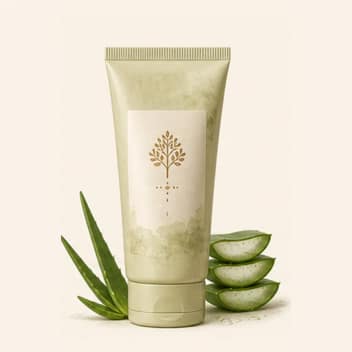
For light hydration, VEETREE Aloe Vera Gel is a simple gel made from aloe juice, xanthan gum, guar gum and a preserved system. Apply a small amount to clean skin and leave it on. It may be enough for comfortable oily skin in humid weather; dry cheeks can take moisturiser on top.
In the morning, finish with broad-spectrum sunscreen suited to your skin and use it according to its label. Sunscreen has a more important daily job than an optional face pack or night oil. A serum can be added later, but it does not replace UV protection.
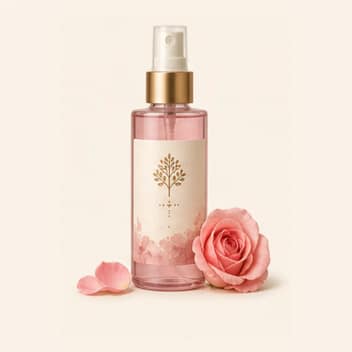
If you enjoy a mist, VEETREE Rose Hydrosol goes after cleansing and before gel or cream. It is steam-distilled rose hydrosol with rose essential oil, so fragrance-sensitive skin should not assume it is automatically gentler. Follow the skincare layering-order guide when optional steps begin to pile up.
Hair and scalp: build around wash day
Wash according to how quickly the scalp becomes dirty or oily, not a universal calendar. The AAD advises applying shampoo mainly to the scalp so it can remove buildup without unnecessarily coating the full length. Conditioner belongs where your hair type needs it, usually through the lengths and ends.
The first routine can end there. If dry lengths benefit from pre-wash oiling, VEETREE Hair Growth Oil gives massage slip and a conditioning oil layer. Despite its name, its cosmetic job is not to regrow hair. Massage a little into scalp and hair, leave it for an hour or overnight and wash, up to twice a week when comfortable.
For a non-oily step between washes, VEETREE Rosemary Hydrosol is a water-light fragranced mist. Spray clean scalp partings, massage for one to two minutes and leave it in. It does not clean the scalp or carry proof of hair regrowth.
Read how often to wash your hair before forcing your scalp into someone else's schedule. Sudden heavy shedding, clear patches, pain or persistent scale needs a clinician, while an ordinary routine focuses on cleanliness, conditioning and gentle handling.
Body: use the shower as the reminder
Cleanse sweaty or soiled areas with a suitable body wash and warm rather than very hot water. VEETREE Patchouli Shower Gel uses coconut-derived cleansers with glycerine and panthenol and has a noticeable patchouli scent. It rinses off; it is not the moisturising step.
Pat the body dry and leave skin slightly damp. Apply lotion or body butter before that water has fully evaporated. The AAD recommends moisturising damp skin after bathing because the moisturiser helps trap water at the surface.
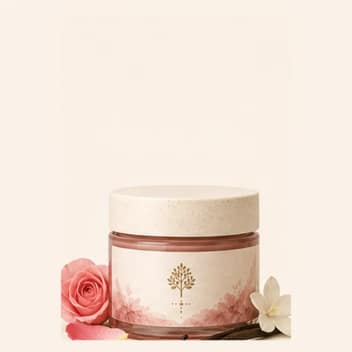
VEETREE Rose & Vanilla Body Butter is a rich cream with shea and cocoa butters, jojoba oil, beeswax, vanilla extract and rose essential oil. Start with a small amount on dry legs, elbows, knees, hands or heels. Give it time to settle before dressing. The body butter guide explains quantity and damp-skin timing.
If the butter feels too rich in humid weather, use less or choose a lighter lotion. Body skin does not earn extra benefit from a thick layer that remains sticky on clothes.
How to add the second product
Wait until the first step feels routine and the skin or scalp has stayed comfortable. Two to four ordinary weeks is a practical observation window for a basic cosmetic. A moisturiser can improve comfort quickly, but gradual appearance changes should not be judged after two nights.
Name the next gap. If Aloe Vera Gel dries down but cheeks become tight, add moisturiser rather than another serum. If wash-day hair tangles, add conditioner or a small leave-in on the lengths rather than more scalp oil. If legs feel rough after bathing, fix the after-shower step before buying a scrub.
Add only that one product and patch test again. A botanical formula can still irritate. Keep notes if needed: date started, amount, placement, comfort and reason stopped. This is more useful than photographing the shelf.
How to tell whether the routine is working
Look first for ordinary improvements: face skin that no longer feels tight after cleansing, a scalp that feels clean after wash day, lengths that are easier to detangle, or shins that stay comfortable after a shower. These signals arrive before dramatic visual change.
Judge texture and effort too. A product that technically suits your skin but feels so greasy that you avoid it is not serving the routine. Adjust quantity, placement or season before assuming you need a more expensive formula.
Cosmetics can clean, moisturise, condition, add fragrance and support a cared-for appearance. They do not diagnose, cure acne, remove pigmentation, stop hair loss or treat a painful condition. Painful or cystic breakouts, a worsening rash, sudden hair loss, open sores or persistent itching deserve qualified care.
A realistic first month
Week one: patch test and begin one face step, such as Aloe Vera Gel after cleansing. Keep existing products unchanged.
Week two: keep repeating the face step. On wash day, check whether shampoo frequency and technique already suit the scalp before adding oil or mist.
Week three: moisturise damp body skin after the shower. Use a small amount on the driest areas first.
Week four: review comfort, cost and effort. Add one missing basic only if the current steps are easy. A face mist, pre-wash oil, pack or scrub can wait until there is a clear reason for it.
Common mistakes
Buying a complete routine before testing one texture turns a small experiment into an expensive one.
Starting several active or fragranced products together hides the cause if skin reacts.
Copying a wash schedule from a different hair type ignores how quickly your own scalp becomes dirty or oily.
Applying body butter to completely dry skin misses the easy damp-skin timing after a shower.
Using more product than directed often adds residue, pilling or buildup rather than benefit.
Chasing whitening, pigmentation removal or hair-regrowth promises gives cosmetics jobs they cannot legally or honestly perform.
Quitting after one missed day treats routine care as a streak. Simply continue at the next normal opportunity.
FAQ
What is the best first skincare product for a beginner?
Choose by the missing basic: a gentle cleanser if the face is not being cleaned comfortably, a moisturiser if it feels tight, or sunscreen for daytime exposure. Optional serums and packs come later.
How many products should a beginner routine have?
There is no required number. A face routine can begin with cleansing, moisturising and sunscreen. Hair can begin with shampoo and conditioner, and body care with cleanser and moisturiser.
How long should I wait before adding another product?
First complete the patch test, then give a basic product two to four ordinary weeks when it remains comfortable. Add only one new product at a time so any reaction is traceable.
Can one aloe gel be used on face, body and scalp?
The current VEETREE Aloe Vera Gel directions allow all three areas. Use a small amount and remember that dry body skin may need a richer moisturiser and an oily scalp still needs shampoo.
Do men need a different skincare routine?
Not simply because they are men. Choose products by skin feel, shaving habits, fragrance tolerance and the job needed. The same cleanse, moisturise and protect structure applies.
Should I oil my hair before every wash?
Only if oiling suits your scalp and dry lengths. Use a small amount for pre-wash slip, then shampoo thoroughly. Skip it when the scalp is sore, heavily coated or made itchier by oil.
Is an expensive routine better?
Price does not replace suitability or consistency. A short routine with clear ingredients, comfortable textures and directions you follow is more useful than an expensive shelf you avoid.
When should I see a dermatologist instead of adding products?
Seek qualified care for painful or worsening skin, cystic breakouts, sudden or patchy hair loss, persistent itching or scale, open sores, swelling or any changing lesion. Cosmetics are for care, not diagnosis.
Sources and further reading
Browse all products for Dry Skin.
Published July 2026. Last checked . We compare product details with the current pack and keep source links beside the claims they support. About VEETREE · Editorial Policy.
This guide covers cosmetic care, not diagnosis or treatment. Speak with a qualified clinician when symptoms are severe, persistent or getting worse.