
Licorice appears on Indian skincare labels as licorice root extract, liquorice, mulethi or yashtimadhu. The familiar name can hide a basic fact: a water extract, an oil-soluble glabridin-rich extract and powdered root are not interchangeable ingredients.
This guide separates the cosmetic promise from the evidence. It also explains why the complete formula matters more than a hero-ingredient badge.
What licorice extract is doing in a face formula
Licorice root contains many compounds, including glabridin, glycyrrhizin and licochalcones. Cosmetic suppliers may use different extracts to reach different formulation goals. The consumer label does not always tell you the extraction method or the amount of a specific compound.
Brands commonly place licorice in products for a brighter, more even-looking finish or for skin that looks stressed. Those are appearance claims. A cosmetic cannot diagnose the cause of pigmentation, and the word licorice alone does not tell you whether the formula has been tested for a particular result.
What the evidence can and cannot support
Laboratory and animal work suggests glabridin can interact with pathways involved in melanin production, and reviews describe limited studies of particular licorice-derived ingredients in topical formulas. A Japanese evidence review placed oil-soluble licorice extract in a category where published human evidence used a higher concentration than the cited general cosmetic concentration.
That is a reason for careful wording. The evidence does not justify saying that any licorice product will remove melasma, bleach skin or permanently erase marks. Formula stability, concentration, delivery system, regular use and the cause of the mark all affect what a person may see.
Choose the finished product by format
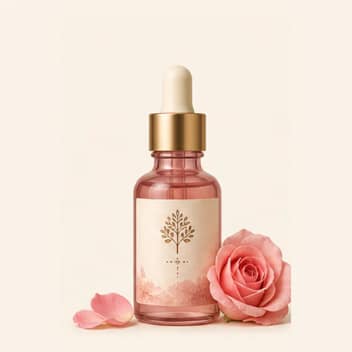
VEETREE Aqua Rose Brightening Serum lists licorice root extract alongside niacinamide, alpha arbutin and humectants. That makes it a multi-ingredient leave-on formula, not a test of licorice by itself. Introduce it slowly and avoid adding another new tone-focused active during the same week.
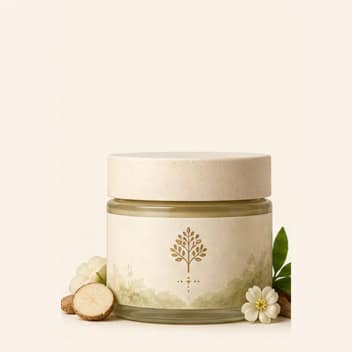
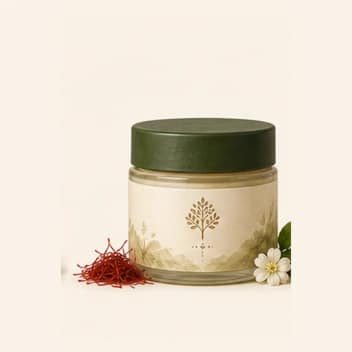
The Face Brightening Pack contains licorice in a rinse-off grain-and-botanical blend, while Kumkumadi Night Cream uses licorice in a richer overnight format. Contact time and the rest of each formula differ. Pick the texture and directions that fit your routine instead of assuming the longest ingredient list is strongest.
Use licorice skincare without turning it into a treatment claim
Patch test the finished product, then use it at the frequency on its label. A serum generally goes before moisturiser, while a rinse-off pack should stay on only for the stated time. Use broad-spectrum sunscreen during the day because ongoing ultraviolet exposure can work against an even-looking tone.
Skip homemade mixes of licorice powder, lemon juice or concentrated extracts. Their strength, pH, contamination risk and contact time are not controlled. A kitchen ingredient is not automatically equivalent to a preserved cosmetic made for facial use.
Stop for irritation and get pigment changes checked
Any botanical formula can cause irritation or allergy in a susceptible person. Wash the product off and stop if you develop persistent burning, itching, swelling or a rash. Introduce one product at a time so the likely cause is easier to identify.
Pigmentation that appears suddenly, changes shape or colour, follows a severe rash, or does not respond to a simple cosmetic routine deserves professional assessment. Licorice skincare may support appearance, but it cannot identify melasma, post-inflammatory pigmentation or a concerning lesion.
FAQ
What does licorice extract do for skin?
It is used in cosmetics designed to support a brighter, more even-looking tone and a calmer appearance. Results depend on the specific extract, concentration and full formula.
Can licorice extract remove pigmentation?
No cosmetic can promise permanent pigmentation removal. Some licorice-derived compounds have encouraging early evidence, but a dermatologist should assess persistent, sudden or changing pigmentation.
Are licorice, liquorice, mulethi and yashtimadhu the same ingredient?
They are names associated with licorice root, but labels may refer to powder or different extracts. The extraction method and finished formula can change how the ingredient behaves.
Can I use a licorice serum every day?
Use the frequency stated on the product. Patch test first and build up slowly, especially when the same formula contains other tone-focused actives.
Is homemade licorice powder safe for the face?
A homemade paste has uncontrolled strength, pH, cleanliness and contact time. A preserved facial cosmetic with clear directions is easier to assess and use consistently.
Sources and further reading
Browse all products for Pigmentation.
Published July 2026. Reviewed 10 July 2026. This guide covers cosmetic care, not diagnosis or treatment. Speak with a qualified clinician when symptoms are severe, persistent or getting worse. About VEETREE · Editorial Policy.